

Automotive Lift Safety Check: What to Look for Before Using a Vehicle Lift
A routine lift check does not replace professional inspection or manufacturer-required maintenance, but it can help operators notice visible damage, leaks, unusual movement, missing safety information, or other conditions that should be addressed before normal use continues.
What Should Be Checked Before Using an Automotive Lift?
Before use, operators should look for obvious damage, leaks, unusual wear, damaged contact points, missing or unreadable safety information, abnormal lock operation, unusual noises, unexpected movement, or anything else that appears different from normal.
The exact checks vary by lift design, so the manufacturer’s operating and maintenance instructions should remain the primary reference for the specific equipment.
- ✅ Look for visible damage or loose components
- ✅ Check for hydraulic leaks
- ✅ Confirm arms, pads, and adapters appear serviceable
- ✅ Watch for abnormal movement or sound
- ✅ Verify locks and controls operate normally
- ✅ Stop and investigate anything that appears unsafe or unusual
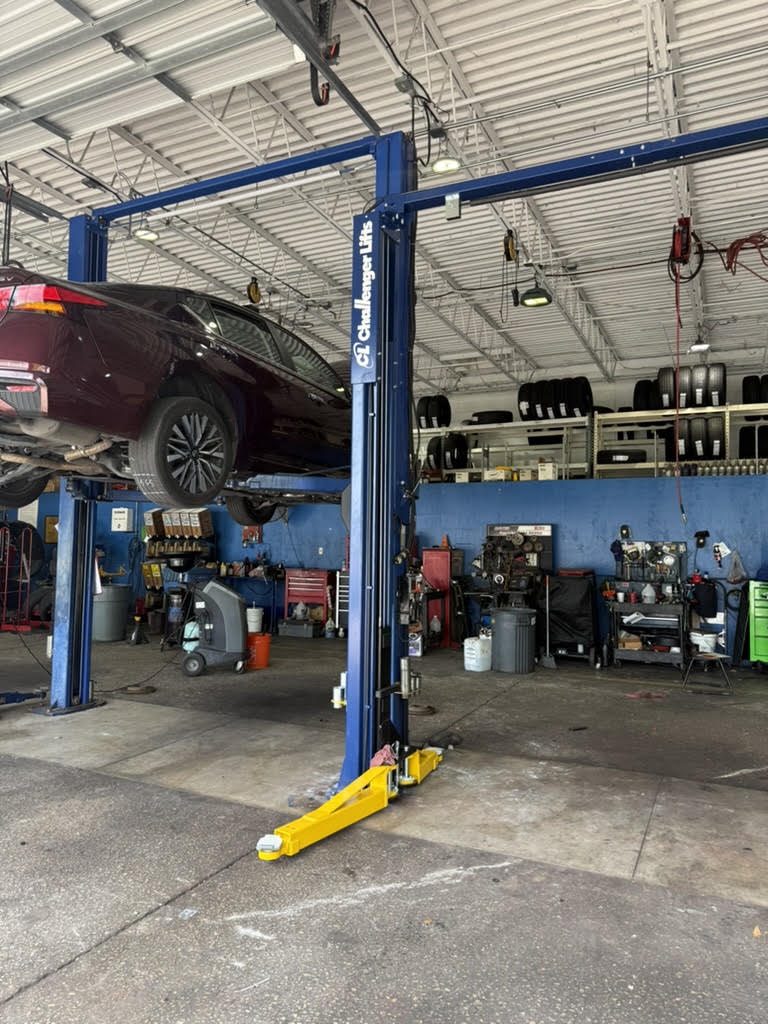
A Routine Operator Check Is Not the Same as a Qualified Lift Inspection
Routine checks help operators notice obvious changes before or during use. A formal inspection is a more complete evaluation of the lift and should be performed by a qualified lift inspector according to applicable requirements.
Operator Check
Focuses on visible condition, normal movement, controls, contact points, locks, leaks, labels, and anything obviously different from usual operation.
Planned Maintenance
Follows the lift manufacturer’s instructions for lubrication, adjustment, cleaning, replacement, testing, and other model-specific service tasks.
Qualified Inspection
Evaluates the equipment more systematically, including structural, mechanical, hydraulic, electrical, safety, and documentation items where applicable.
Look for Visible Damage Before Operating the Lift
A quick visual review can identify obvious problems before a vehicle is positioned on the equipment.
Bent or Damaged Components
Columns, arms, runways, platforms, adapters, and other structural or load-bearing parts should not show obvious damage or deformation.
Loose or Missing Hardware
Visible fasteners, pins, retainers, covers, or other components should not appear loose, missing, or displaced.
Corrosion or Deterioration
Significant rust, deterioration, or damage around structural or moving components should be investigated.
Obstructions Around the Lift
Tools, parts, cords, hoses, debris, or stored equipment should not interfere with normal lift movement or vehicle positioning.
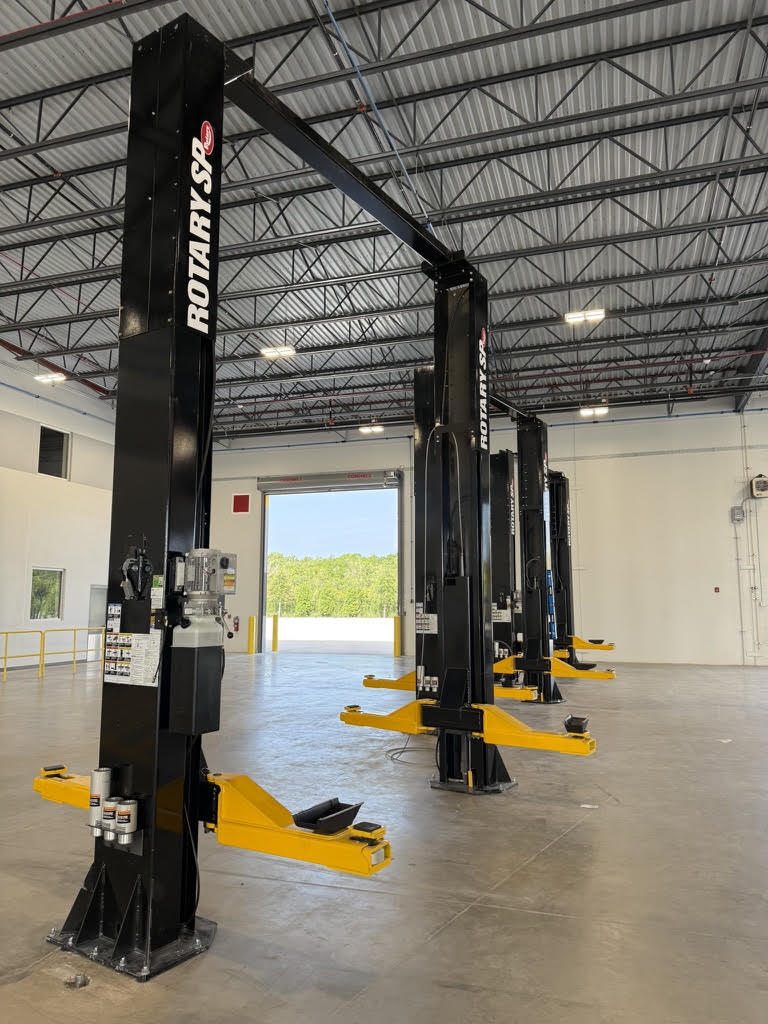
Look for Hydraulic Fluid Leaks
Hydraulic fluid around hoses, fittings, cylinders, lines, power units, or other components should not be ignored.
A small amount of visible fluid may be the first sign of a problem that should be traced to its source.
- Hoses and hose connections
- Hydraulic cylinders
- Fittings and valves
- Power unit and reservoir area
- Hydraulic lines
- Fresh fluid on the floor or lift structure
Inspect Lift Arms, Pads, and Adapters
Vehicle contact components play a direct role in supporting and positioning the vehicle. Damaged, missing, worn, or inappropriate contact components should be addressed before lifting begins.
Lift Arms
Arms should move and position as designed without obvious damage, binding, excessive looseness, or unintended movement.
Contact Pads
Pads should be in usable condition and suitable for the intended vehicle and lift configuration.
Adapters and Extensions
Use only appropriate accessories for the lift and vehicle application, and check that they are seated and retained as intended.
Look at Cables, Chains, and Other Moving Components Where Applicable
Lift designs vary. Where cables, chains, sheaves, pulleys, pins, or similar moving components are used, visible damage or abnormal wear should not be ignored.
Cables
Look for obvious fraying, damage, displacement, deterioration, or other visible changes where cables are part of the lift system.
Chains
Check for visible damage, abnormal condition, or signs that the chain is not tracking or operating normally.
Sheaves and Pulleys
Moving guidance components should not show obvious damage or abnormal operation.
Pins and Retainers
Pins, clips, retainers, and similar components should be present and positioned as intended.
Pay Attention to Safety Locks and Load-Holding Components
Mechanical locks and other load-holding devices are critical parts of many lift designs. They should engage, hold, and release as intended for the specific equipment.
A lock that sounds, feels, or behaves differently from normal deserves attention rather than being ignored.
If a load-holding or safety component is not operating as intended, the lift should not simply remain in normal service until the issue has been evaluated and corrected.
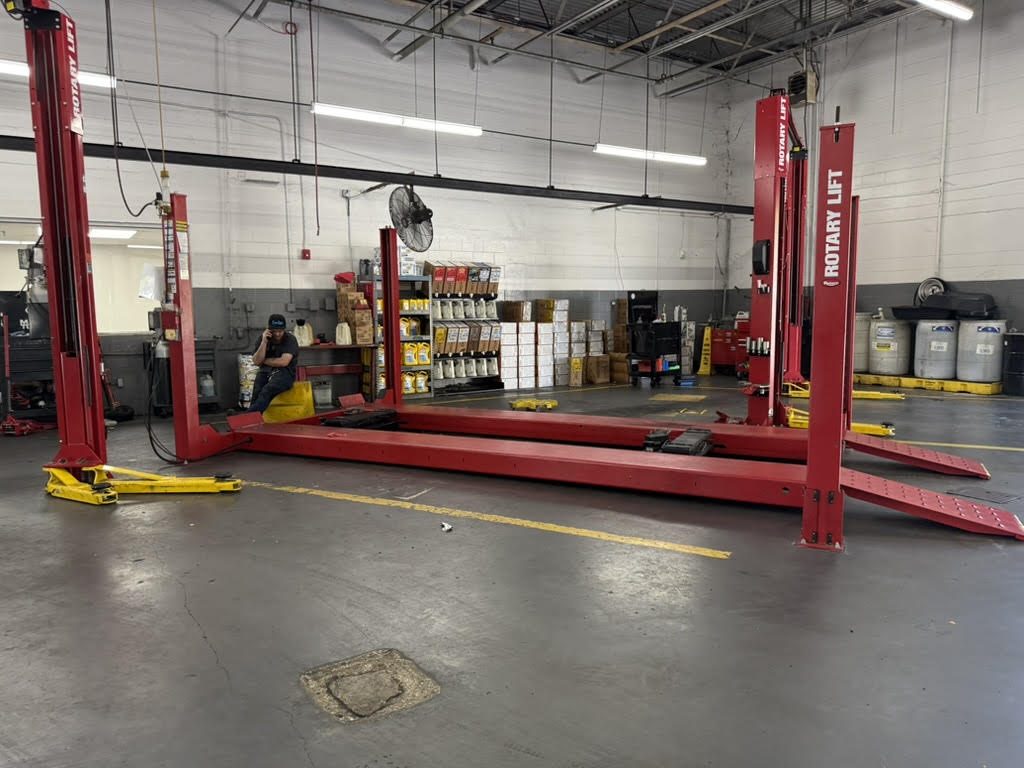
Confirm the Lift Controls Respond Normally
Controls should operate consistently with the equipment’s normal behavior and manufacturer instructions.
Raise Control
The lift should respond normally when raising without unexpected interruption, hesitation, or abnormal movement.
Lower Control
Lowering should occur in the intended manner without unexpected movement or control behavior.
Switches and Buttons
Damaged, loose, sticking, or inconsistent controls should be investigated.
Wiring and Electrical Components
Visible electrical damage, exposed conductors, damaged housings, or other obvious problems require attention.
Watch How the Lift Moves
One of the most useful routine checks is simply noticing whether the lift moves the way it normally does.
A new change in speed, smoothness, level, synchronization, or movement pattern may indicate that maintenance or repair is needed.
- Jerky movement
- Uneven raising or lowering
- Unexpected pauses
- Noticeably slower operation
- Abnormal vibration
- Movement that differs from normal operation
Listen for New or Unusual Sounds
Operators often become familiar with the normal sound of equipment they use every day. A new sound can be useful information.
Grinding, scraping, squealing, knocking, popping, or other abnormal noises may have different causes depending on the lift design.
The goal is not to diagnose the lift by sound alone, but to notice a change and investigate it before assuming normal operation can continue.
Check Safety Labels and Operating Information
Required labels, warnings, operating instructions, and lifting information should remain present, readable, and appropriate for the equipment.
Warning Labels
Safety warnings should not be missing, covered, damaged, or unreadable.
Capacity Information
Rated capacity and other equipment identification should remain available and legible.
Operating Instructions
Operator information should remain available as required for the specific lift.
Vehicle Lifting Guidance
Use appropriate vehicle lifting-point information and equipment guidance when positioning the vehicle.
Verify Vehicle Positioning Before Raising
Lift condition is only part of safe operation. The vehicle also needs to be positioned correctly for the specific lift and lifting points.
Check that the vehicle is appropriately positioned, contact points are placed where intended, adapters are properly seated, and the vehicle configuration is compatible with the lift.
Vehicle weight, balance, wheelbase, running boards, batteries, service bodies, tanks, accessories, and other components can affect lifting-point access and positioning.
Conditions That Should Be Evaluated Before Normal Use Continues
Not every cosmetic imperfection means a lift must be taken out of service, but some conditions should not be ignored.
Safety Device Failure
A lock, restraint, control, or other safety-related component that does not operate as intended should be evaluated.
Structural Damage
Bent, cracked, deformed, or significantly deteriorated load-bearing components deserve prompt attention.
Abnormal Movement
Unexpected, uneven, jerky, or uncontrolled movement should not be treated as normal.
Significant Leakage
Hydraulic leakage or other system problems affecting normal operation should be identified and corrected.
Damaged Contact Components
Arms, pads, adapters, or restraints that are damaged or unsuitable for the vehicle should not be ignored.
Electrical Damage
Damaged controls, wiring, switches, or other electrical components require proper evaluation.
Routine Checks Do Not Replace Qualified Annual Inspection
A daily or routine operator check helps identify obvious changes, but it is not a substitute for a formal lift inspection.
Stickney Equipment provides automotive lift inspection services, and Stickney Equipment LLC also has an official listing in the Automotive Lift Institute inspector directory.
Automotive Lift Inspections, Maintenance, and Repair in Central Florida
Stickney Equipment is based in Dover, Florida, and provides automotive lift inspections, maintenance, repair, installation, parts, and related services for qualifying facilities throughout Greater Lakeland, Tampa Bay, and surrounding Central Florida communities.
Automotive Lift Safety Check FAQs
What should I check before using an automotive lift?
Look for obvious damage, leaks, worn or damaged contact components, abnormal cables or chains where applicable, malfunctioning locks, damaged controls, unreadable safety information, unusual noises, and abnormal movement. Follow the manufacturer’s instructions for the exact lift.
Is a routine lift check the same as a professional inspection?
No. A routine operator check helps identify obvious conditions before or during use. A qualified lift inspection is a more complete evaluation of the equipment and does not get replaced by routine checks.
Should a hydraulic leak be ignored if the lift still works?
No. Visible hydraulic fluid should be investigated so the source and condition of the affected component can be identified.
What should I do if a lift starts moving unevenly?
Uneven, jerky, or otherwise abnormal movement should be investigated rather than treated as normal. The cause can vary by lift design and may involve mechanical, hydraulic, control, synchronization, or adjustment issues.
Can I use an automotive lift if one safety lock is not working?
A load-holding or safety component that is not operating as intended should be evaluated and corrected before normal use continues.
How often should an automotive lift receive a qualified inspection?
Automotive lifts should receive qualified inspection at least annually, with additional inspection frequency determined by manufacturer guidance or operating conditions where applicable.
Does Stickney Equipment provide lift inspections in Central Florida?
Stickney Equipment provides automotive lift inspection and related lift services for qualifying facilities throughout Greater Lakeland, Tampa Bay, and surrounding Central Florida communities.
Notice Something Different About Your Automotive Lift?
Contact Stickney Equipment to discuss automotive lift inspections, maintenance, repairs, unusual movement, leaks, damaged components, or other lift service needs.