

Common Automotive Lift Problems and When to Call for Repair
Automotive lifts often show warning signs before a problem becomes more serious. Leaks, unusual noises, uneven movement, damaged components, or controls that do not respond normally should not be dismissed as minor inconveniences.
What Are the Most Common Signs an Automotive Lift Needs Repair?
Common warning signs include hydraulic leaks, unusual noises, uneven lifting or lowering, damaged cables or chains where applicable, malfunctioning locks, damaged arms or adapters, electrical problems, slow operation, and controls that no longer respond normally.
Not every unusual condition has the same cause, and automotive lifts vary significantly by manufacturer and design. If a lift is behaving differently from normal or has visible damage, the safest approach is to stop and have the condition evaluated rather than guessing at the cause.
- ✅ Hydraulic fluid where it should not be
- ✅ Uneven or jerky raising and lowering
- ✅ New grinding, squealing, popping, or other unusual noises
- ✅ Damaged cables, chains, hoses, locks, arms, or adapters
- ✅ Electrical or control problems
- ✅ Any change that makes the lift operate differently from normal
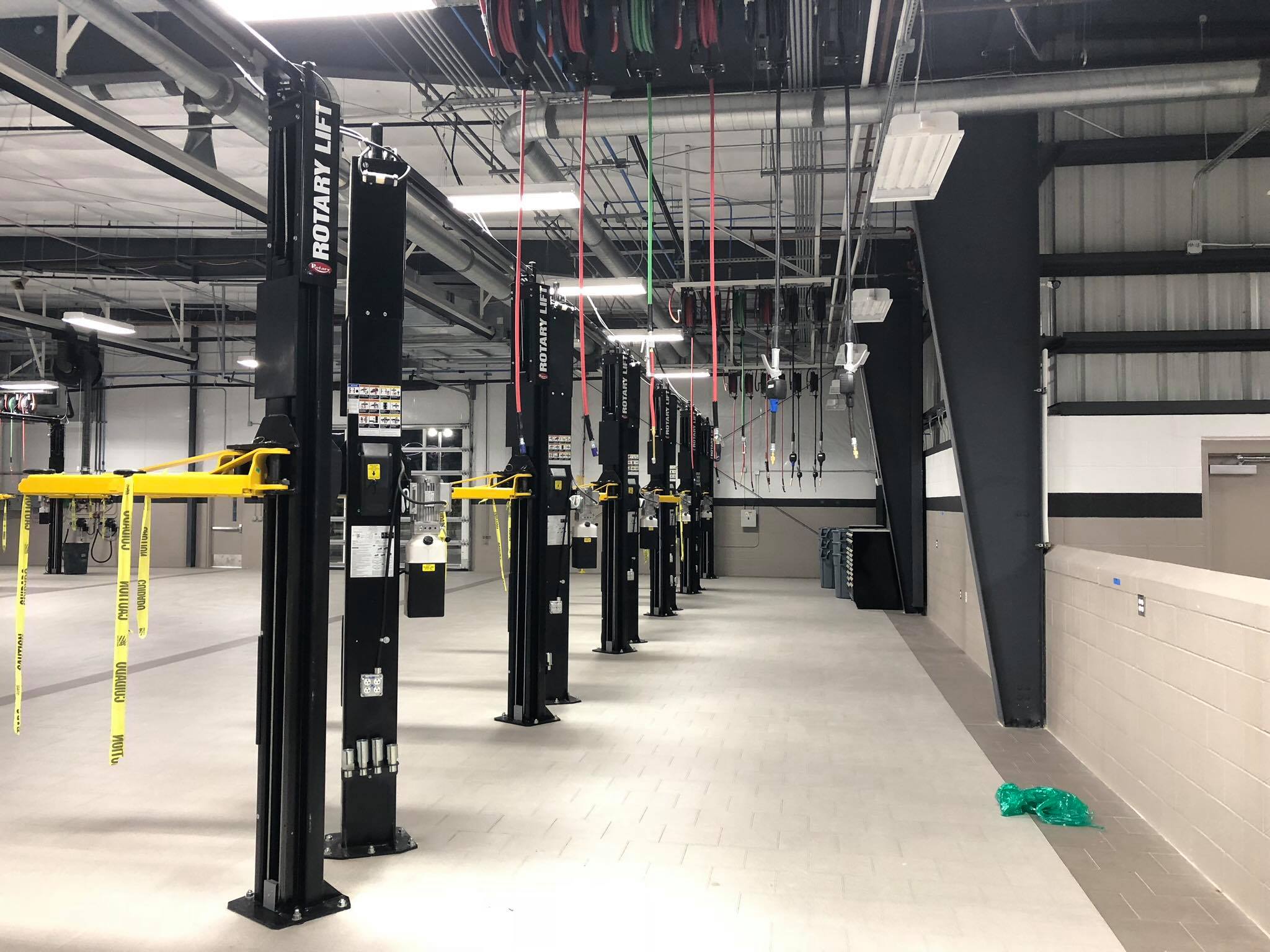
Small Changes in Lift Operation Can Point to Larger Problems
Technicians who use a lift regularly become familiar with how it normally sounds, moves, locks, raises, and lowers. A change from that normal behavior is worth investigating.
Hydraulic Problems
Leaks, damaged hoses, slow movement, pressure-related issues, or changes in cylinder operation can affect hydraulic lift performance.
Mechanical Wear
Cables, chains, sheaves, pins, locks, restraints, bearings, and other moving components can wear or become damaged over time, depending on the lift design.
Electrical or Control Issues
Switches, controls, wiring, motors, limit devices, and related components can create operational problems when damaged or not functioning correctly.
Hydraulic Fluid Leaks
Hydraulic fluid around a lift should not simply be wiped away and forgotten. A leak can come from several possible locations and should be traced to its source.
Hoses and Fittings
Hoses and connections may deteriorate, loosen, become damaged, or show signs of leakage depending on age and operating conditions.
Cylinders
Hydraulic cylinders can develop leakage or performance issues that require evaluation and appropriate repair.
Power Unit
Reservoirs, valves, pumps, fittings, and related power-unit components should be checked if fluid is appearing around the system.
Hydraulic Lines
Damaged or deteriorated lines can contribute to leakage and should be inspected rather than temporarily ignored.
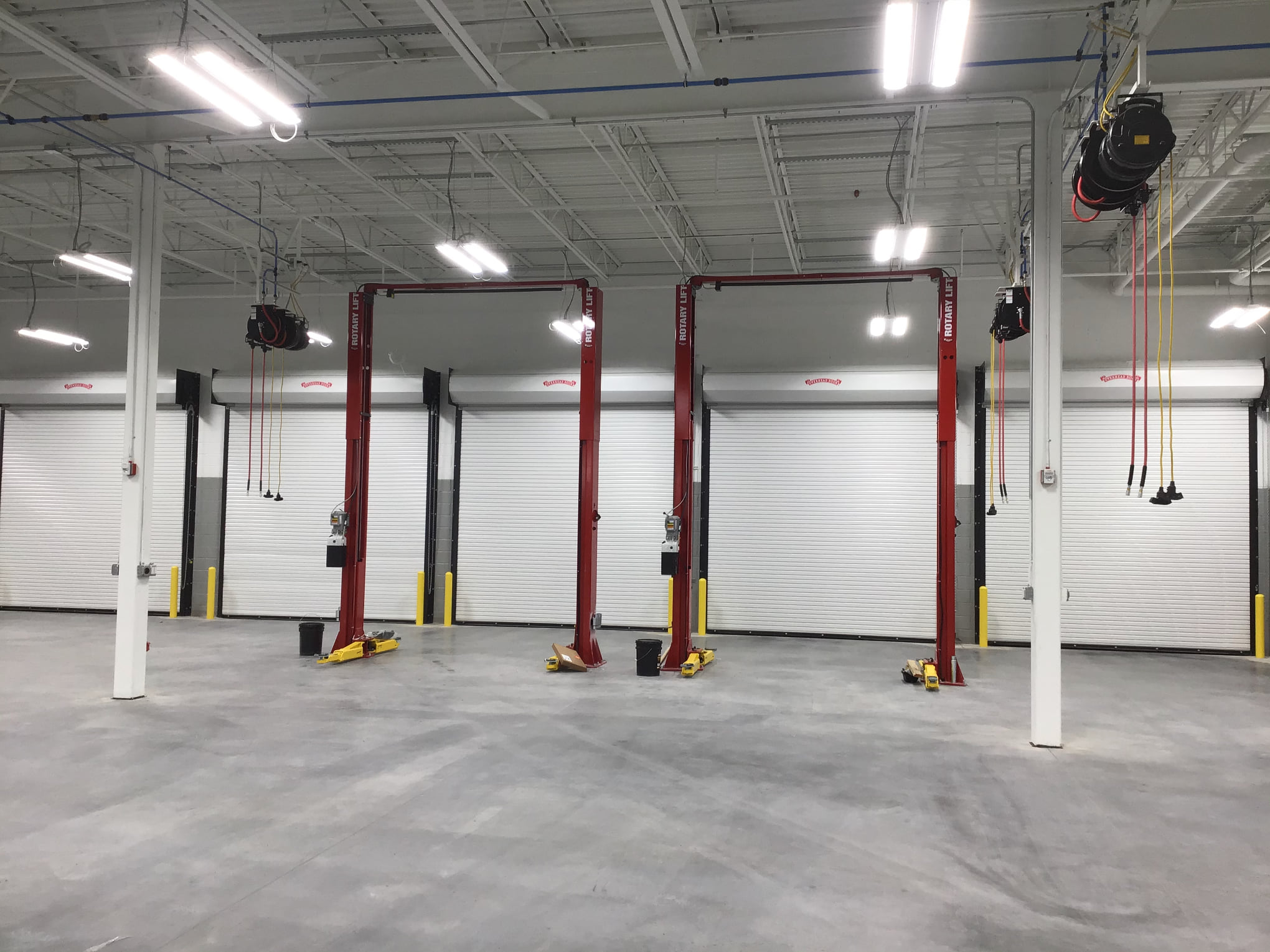
Uneven, Jerky, or Abnormal Lift Movement
A lift that suddenly raises or lowers differently from normal deserves attention. The possible cause depends heavily on the lift design and may involve hydraulic, mechanical, synchronization, control, or adjustment issues.
Do not assume that uneven movement can be corrected with a simple adjustment without first identifying why the condition developed.
- One side appears to move differently from the other
- The lift jerks instead of moving smoothly
- Movement pauses or changes unexpectedly
- The lift does not lower normally
- The lift appears out of level during operation
- Normal synchronization appears to have changed
New or Unusual Noises During Operation
Every lift makes some normal operating noise. What matters is a new sound or a noticeable change from the equipment’s normal operation.
Grinding, squealing, scraping, popping, knocking, or other abnormal sounds can have several causes. The specific source should be identified before assuming the lift is safe to continue using.
Mechanical Contact
Components may be rubbing, binding, misaligned, damaged, dry, or otherwise operating differently than intended.
Worn Components
Moving parts naturally experience wear, and some components require adjustment, lubrication, maintenance, or replacement according to manufacturer instructions.
Locking Mechanisms
Clicking from a mechanical lock can be normal on some lift designs, but changes in the sound, timing, engagement, or release of a lock should be investigated.
Worn or Damaged Cables, Chains, Locks, and Moving Components
Automotive lifts use different systems to raise, synchronize, support, and secure vehicles. Components should be evaluated according to the manufacturer’s inspection and maintenance requirements for that particular lift.
Cables
Where used, cables should be checked for deterioration, damage, unusual wear, condition, routing, and adjustment requirements.
Chains
Chain-equipped lifts may require inspection for condition, lubrication, adjustment, wear, and related components.
Safety Locks
Mechanical locks and other load-holding systems should engage, operate, and release as intended for the specific lift.
Pulleys and Sheaves
Supporting components that guide cables, chains, or other moving parts may require inspection for wear, damage, or abnormal operation.
Damaged Lift Arms, Pads, Adapters, or Restraints
Vehicle contact components are directly involved in positioning and supporting the vehicle. Damage, missing parts, excessive wear, or improper components should not be overlooked.
Lift Arms
Arms should move and position as designed without obvious damage, excessive looseness, binding, or unintended movement.
Contact Pads
Pads and contact surfaces should be in usable condition and appropriate for the vehicle and lift application.
Adapters
Use only compatible adapters and accessories as specified or approved for the lift and vehicle application.
Controls or Electrical Components Stop Working Normally
A lift that does not start, stops unexpectedly, operates intermittently, or responds incorrectly to controls may have an electrical, motor, switch, control, power-supply, limit-device, or other equipment-specific problem.
Electrical diagnosis should not be based on trial and error. Manufacturer documentation and qualified electrical or lift service personnel should be used where appropriate.
Repeatedly resetting equipment without understanding why a problem occurred can mask an issue that still requires repair.
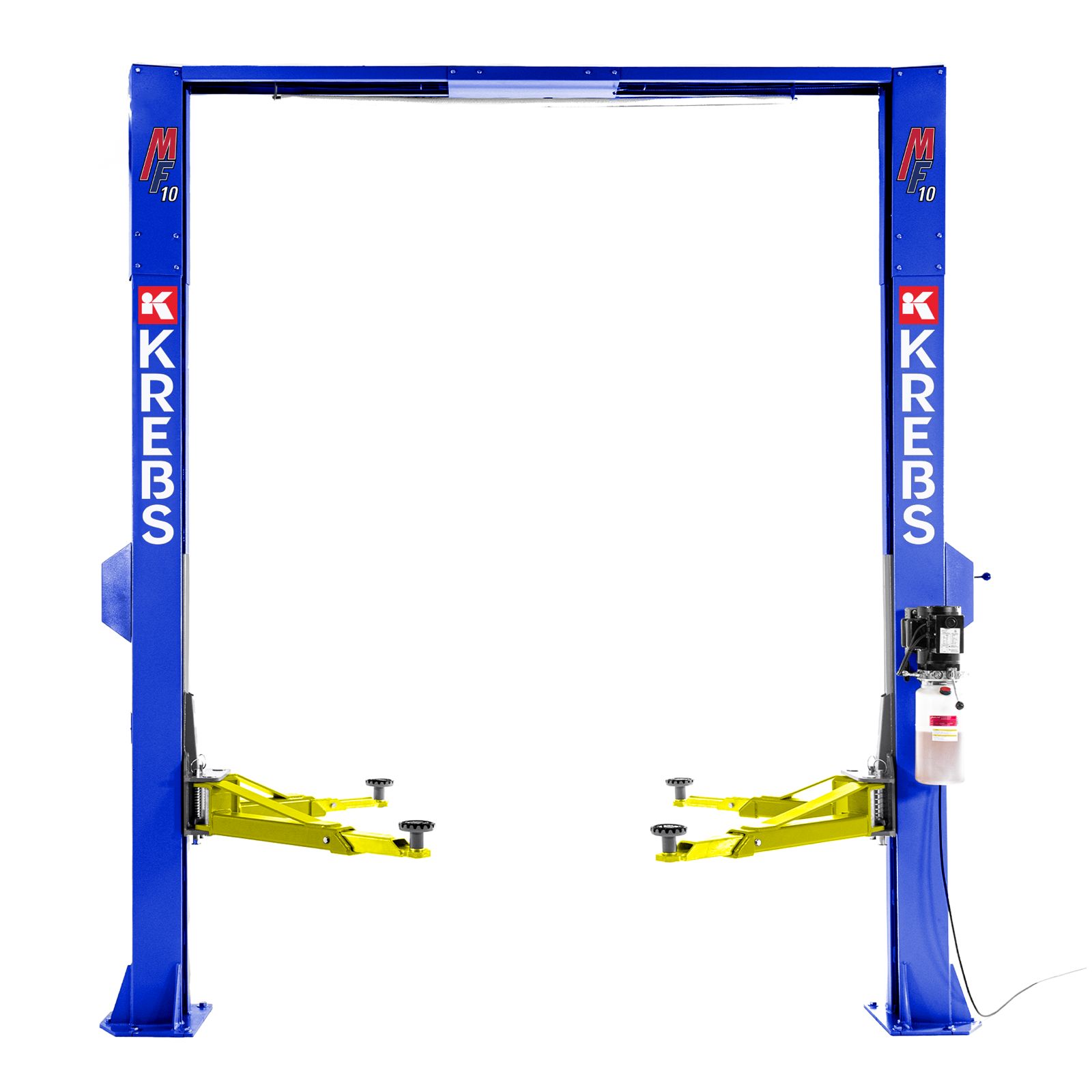
The Lift Is Operating More Slowly Than Normal
A noticeable change in raising or lowering speed can indicate that something in the system has changed. Possible causes vary by lift type and should not be diagnosed without examining the actual equipment.
Depending on the lift, slow operation could involve hydraulic conditions, fluid level or condition, valves, filters, pumps, motors, electrical supply, mechanical resistance, load conditions, or other components.
The useful question is not simply, “Is the lift still moving?” but rather, “Why is it operating differently than it did before?”
Some Problems Should Be Evaluated Before the Lift Returns to Service
If visible damage, abnormal movement, failed safety components, significant leakage, electrical damage, structural concerns, or another condition could affect safe operation, continuing to use the equipment can make the situation worse.
The lift should be evaluated and repaired as appropriate before normal operation resumes.
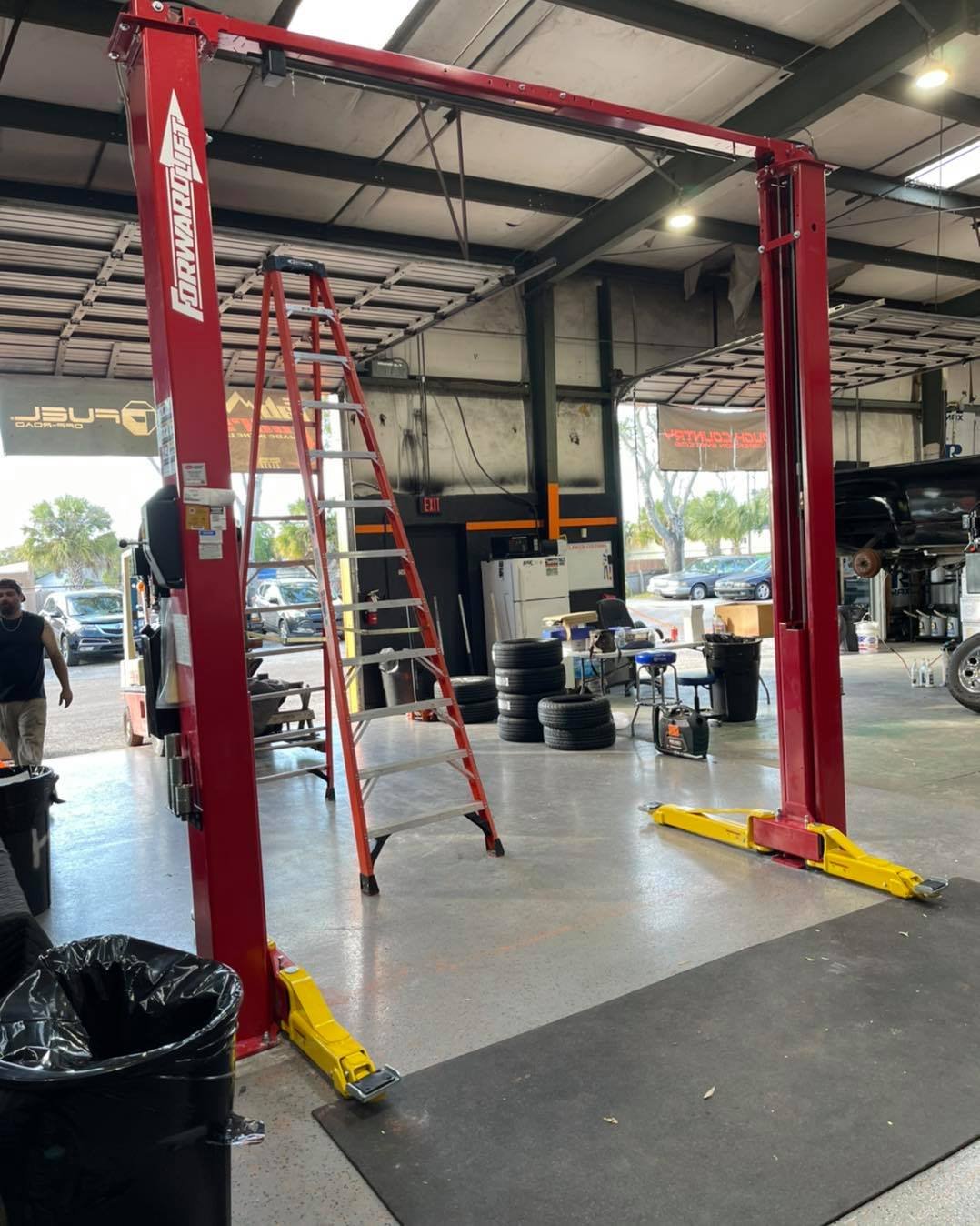
Preventive Maintenance and Repair Solve Different Problems
Preventive maintenance is planned service intended to keep the lift operating according to manufacturer requirements. Repair addresses a known failure, damage, deficiency, or abnormal condition.
Maintenance
Planned lubrication, adjustment, inspection of wear items, cleaning, testing, and manufacturer-specified service help keep equipment in working condition.
Repair
Repair becomes necessary when components are damaged, worn, leaking, malfunctioning, out of adjustment, or otherwise not operating as intended.
Inspection
A qualified inspection evaluates lift condition and can identify deficiencies that should be addressed through maintenance or repair.
Good Lift Care Starts Before Something Breaks
No maintenance program can eliminate every future repair, but consistent inspection and manufacturer-recommended service can help identify deterioration and operating changes earlier.
Follow Manufacturer Instructions
Use the maintenance schedule and procedures written for the specific lift rather than relying on generic advice.
Complete Annual Inspections
Qualified annual inspection provides a systematic evaluation of lift condition and helps document deficiencies.
Respond to Changes Early
Investigating a new leak, sound, vibration, or movement pattern early is better than waiting for a complete failure.
Keep Service Records
Inspection, maintenance, and repair records provide useful history when diagnosing future problems.
Should You Repair an Automotive Lift Yourself?
Simple operator-level checks described by the manufacturer may be appropriate, but a vehicle lift is load-bearing equipment. Repairs, adjustments, replacement parts, and diagnostic procedures should follow the manufacturer’s documentation and applicable industry requirements.
Avoid improvising parts, bypassing safety devices, altering control systems, or making modifications simply to keep the lift operating.
When the cause is uncertain or the condition involves structural, hydraulic, mechanical, electrical, safety, or load-holding components, professional evaluation is the better approach.
Automotive Lift Repair Across Greater Lakeland and Tampa Bay
Stickney Equipment is based in Dover, Florida, and provides automotive lift repair, maintenance, inspections, installation, parts, and related services for qualifying facilities throughout Greater Lakeland, Tampa Bay, and surrounding Central Florida communities.
Automotive Lift Repair FAQs
What are common signs an automotive lift needs repair?
Common signs include hydraulic leaks, unusual noises, uneven or jerky movement, slow operation, damaged cables or chains where applicable, malfunctioning locks, damaged arms or adapters, and electrical or control problems.
Is a hydraulic leak from an automotive lift serious?
A hydraulic leak should be investigated rather than ignored. The source could involve a hose, fitting, cylinder, line, power unit, valve, or another component, depending on the lift.
Why is my automotive lift raising unevenly?
Uneven lifting can have several possible causes depending on the lift design, including hydraulic, mechanical, synchronization, adjustment, control, or component-related issues. The actual equipment should be evaluated before making adjustments.
What should I do if my vehicle lift makes a new noise?
Compare the sound with the lift’s normal operation and inspect for obvious problems. A new grinding, scraping, squealing, popping, or other abnormal sound should be evaluated if its cause is not known.
Can I keep using a lift if one of the safety locks is not working?
A safety or load-holding component that is not operating as intended should be evaluated and corrected before the lift returns to normal service.
Can regular maintenance help reduce lift repairs?
Regular manufacturer-recommended maintenance can help identify wear, deterioration, adjustment needs, and other issues before they develop into larger problems, although it cannot prevent every possible repair.
Does Stickney Equipment repair automotive lifts in Central Florida?
Stickney Equipment provides automotive lift repair and related lift services for qualifying facilities throughout Greater Lakeland, Tampa Bay, and surrounding Central Florida communities.
Have a Lift That Is Not Operating Normally?
Contact Stickney Equipment to discuss leaks, unusual movement, damaged components, controls, inspection findings, maintenance needs, or other automotive lift problems.