

How Often Should Automotive Lifts Be Inspected and Maintained?
Automotive lifts should not be treated as install-it-and-forget-it equipment. Regular maintenance, routine operator checks, and qualified inspections all play different roles in keeping a lift reliable and identifying problems before they become more serious.
Automotive Lifts Should Be Inspected at Least Annually
The Automotive Lift Institute states that the ANSI/ALI ALOIM standard requires every installed vehicle lift to be inspected by a qualified lift inspector at least once each year. More frequent inspection may be appropriate when required by the lift manufacturer or when operating conditions justify additional attention.
Annual inspection is only one part of lift care. Lift owners and operators should also follow the manufacturer’s maintenance schedule and perform routine checks appropriate to the specific equipment.
- ✅ Qualified inspection at least annually
- ✅ Manufacturer-recommended maintenance throughout the year
- ✅ Routine operator checks before and during use
- ✅ Prompt attention when damage or abnormal operation is noticed
- ✅ Written records of inspections, findings, and repairs
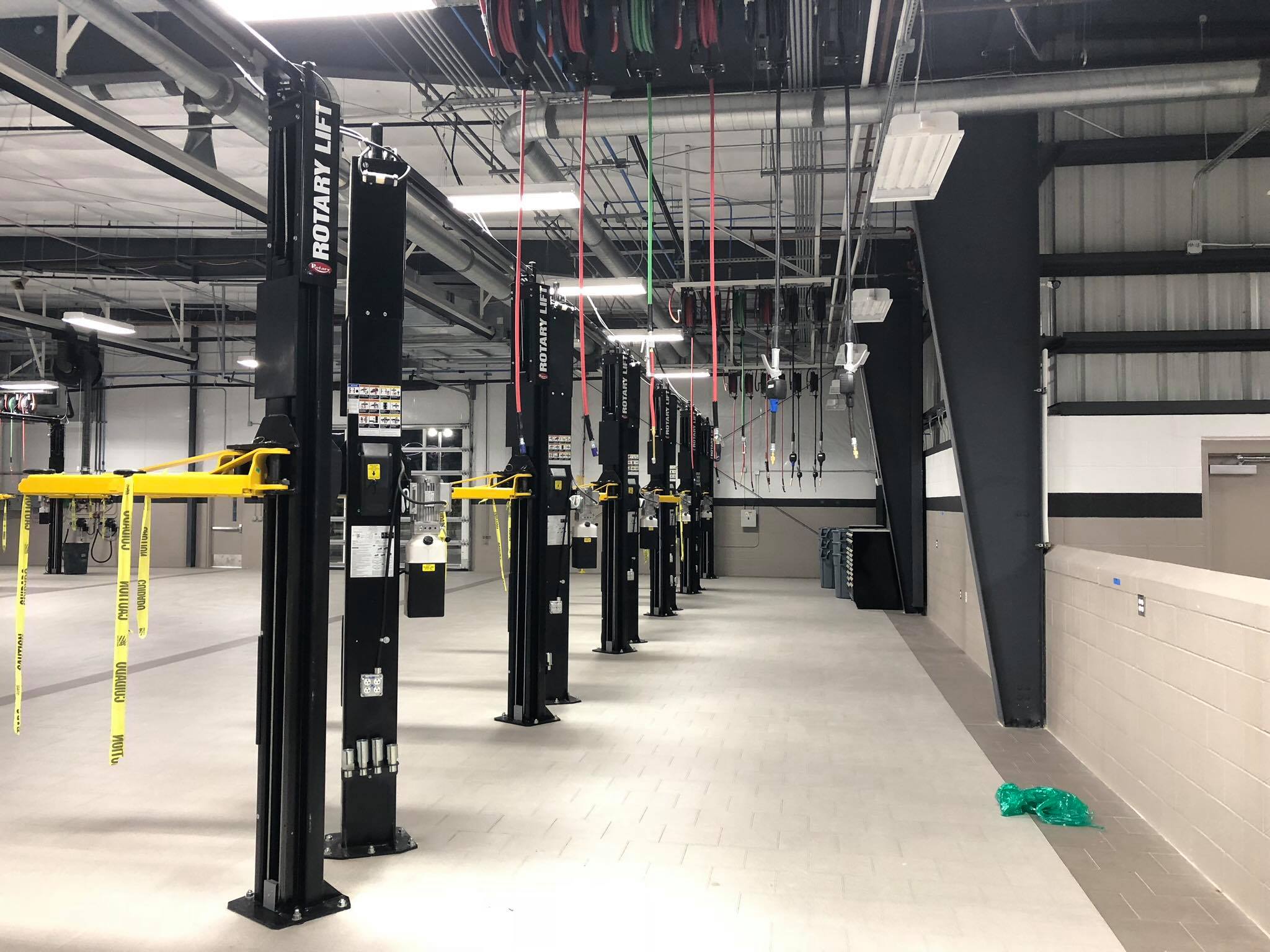
Lift Inspection and Lift Maintenance Are Not the Same Thing
The terms are sometimes used interchangeably, but they describe different activities. A shop needs both.
Routine Checks
Operators should remain alert for obvious damage, leaks, unusual movement, abnormal sounds, missing components, damaged safety materials, or anything else that appears different from normal operation.
Planned Maintenance
Maintenance is performed according to the lift manufacturer’s instructions and may involve lubrication, adjustment, cleaning, replacement of worn components, testing, or other model-specific work.
Qualified Inspection
A formal inspection is a systematic evaluation of the lift and its relevant structural, mechanical, hydraulic, pneumatic, electrical, control, safety, and documentation items.
Why the Annual Automotive Lift Inspection Matters
According to the Automotive Lift Institute, ANSI/ALI ALOIM:2020 requires lift owners or employers to have every vehicle lift inspected by a qualified lift inspector at least annually.
Structural Components
Inspection may include columns, runways, arms, platforms, fasteners, welds, adapters, lifting components, and other structural elements applicable to the lift.
Mechanical Components
Locks, cables, chains, sheaves, pins, restraints, synchronization components, and related mechanisms may be evaluated as applicable to the equipment.
Hydraulic and Air Systems
Hoses, fittings, cylinders, valves, lines, air components, and signs of leakage or deterioration can be part of the inspection.
Electrical and Controls
Controls, switches, wiring, power units, limit devices, and other electrical components may require examination and functional testing.
Safety Materials
Required labels, operating instructions, warning information, lifting guidance, and related safety materials should be present and usable.
Documentation
Inspection findings should be documented so the lift owner has a clear record of observations, deficiencies, adjustments, and repair needs.
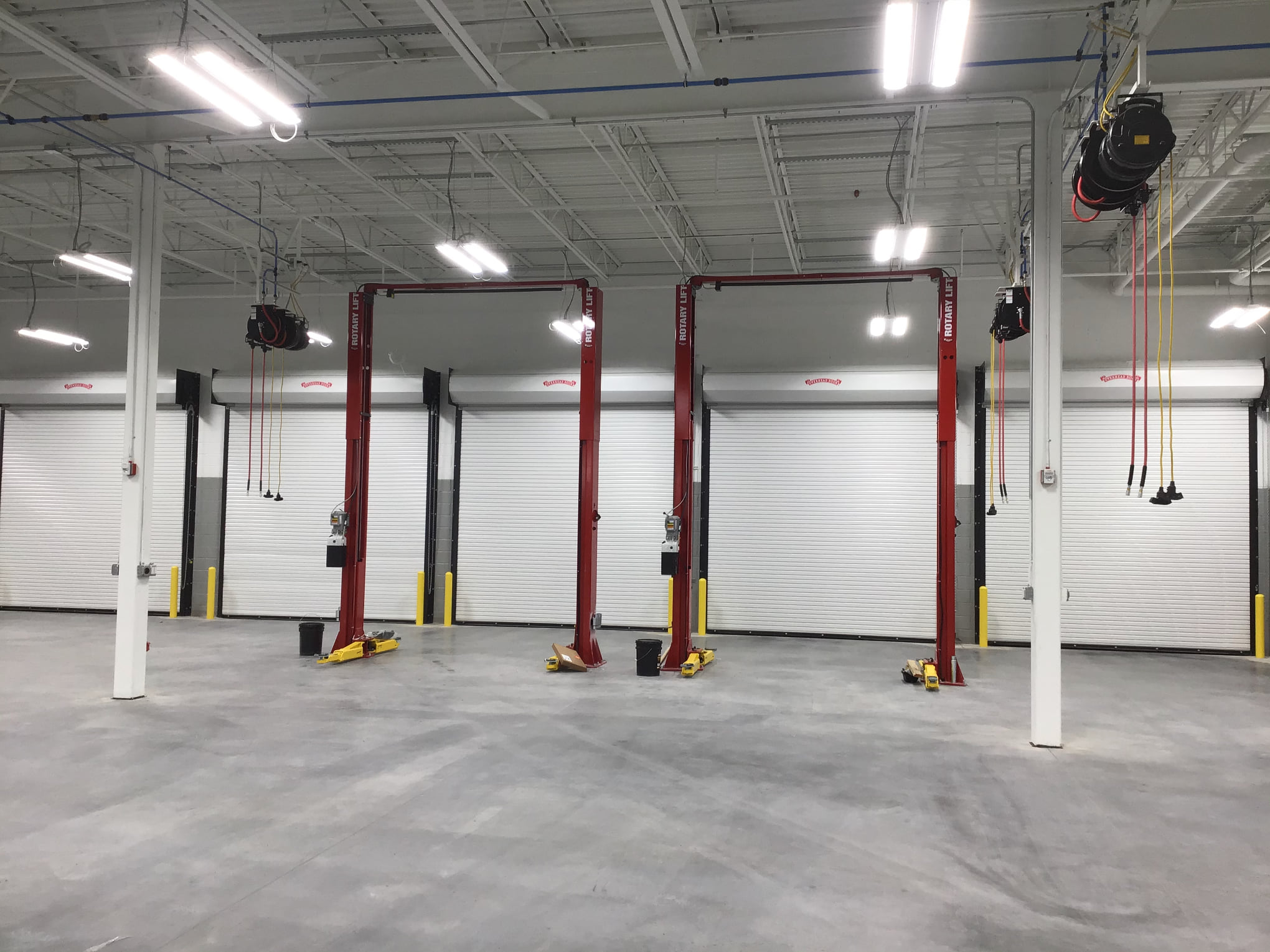
How Often Should an Automotive Lift Be Maintained?
There is no universal maintenance interval that applies to every automotive lift. The correct schedule comes from the lift manufacturer and may vary according to the equipment design, components, workload, operating environment, and service history.
Manufacturer documentation may specify daily, weekly, monthly, periodic, or other maintenance tasks. Those instructions should guide the shop’s maintenance program rather than a generic schedule copied from another lift.
- Follow the specific lift manufacturer’s maintenance schedule
- Keep lubrication points serviced where required
- Look for leaks or damaged hydraulic components
- Check cables, chains, locks, restraints, and wear items as applicable
- Keep moving areas clean and free from avoidable debris
- Document completed maintenance and repairs
Operators Are Often the First to Notice a Lift Problem
A technician who uses the same lift regularly becomes familiar with how it normally sounds, moves, locks, raises, and lowers. Changes from normal operation deserve attention.
Routine observation does not replace professional inspection or manufacturer-required maintenance. It is an additional layer of awareness that can help identify potential problems between formal service intervals.
Before Using the Lift
Look for obvious damage, leaks, displaced components, damaged contact points, missing safety information, objects around the lift, or other conditions that could interfere with normal operation.
While Operating the Lift
Pay attention to unexpected noise, uneven movement, unusual vibration, abnormal control response, lock behavior, or anything else that differs from normal operation.
After a Problem Is Found
Do not simply continue operating a lift when a condition raises a safety or reliability concern. The issue should be evaluated and corrected before the lift is returned to service when appropriate.
High-Use Lifts May Need More Attention
Two identical lifts can have very different operating lives when one is used occasionally and the other handles vehicles throughout every business day.
High Daily Cycle Counts
Frequent raising and lowering increases the number of operating cycles placed on mechanical, hydraulic, and moving components.
Demanding Vehicles
Shops servicing trucks, fleet vehicles, commercial units, or heavily equipped vehicles should make sure the lift and maintenance program match the actual application.
Harsh Shop Conditions
Dirt, moisture, chemicals, debris, corrosion, temperature, and other environmental conditions may affect equipment differently.
Older Equipment
Age alone does not determine whether a lift is serviceable, but older equipment may require closer attention to wear, parts condition, previous repairs, and service history.
Should a New Automotive Lift Be Inspected?
The Automotive Lift Institute recommends inspection when an automotive lift is installed. A post-installation inspection can help establish that required documentation, safety markings, operator information, and installation-related items are in place before the lift enters normal service.
From there, the lift becomes part of the facility’s ongoing inspection and maintenance program.
Keep Inspection and Maintenance Records
Written records help a shop understand what has been inspected, what maintenance has been completed, what problems were identified, and whether repairs have been addressed.
Inspection Reports
Keep the findings from qualified lift inspections with the equipment’s service records.
Maintenance History
Record planned maintenance, adjustments, lubrication, component replacement, and other service performed on the lift.
Repair Documentation
Note the problem, corrective work performed, replaced parts, and relevant follow-up information.
Automotive Lift Maintenance Habits to Avoid
Waiting for Failure
Maintenance should not begin only after the lift stops working. Planned maintenance is intended to identify and address wear before it becomes a larger problem.
Treating Maintenance as Inspection
Routine maintenance does not replace the qualified annual inspection required by ANSI/ALI ALOIM.
Using Generic Schedules
Different lifts have different maintenance requirements. The manufacturer’s instructions should guide the schedule.
Ignoring Small Changes
A new leak, sound, vibration, movement pattern, or damaged component may be an early indication that the lift needs attention.
Poor Record Keeping
Without documentation, it becomes harder to confirm what was inspected, repaired, adjusted, or replaced.
Continuing to Use Questionable Equipment
A lift with a condition that could affect safe or reliable operation should be evaluated before normal use continues.
Inspection, Maintenance, and Repair Work Together
A qualified inspection may uncover wear, damage, missing documentation, adjustment needs, or components that require attention. Those findings can then become part of the maintenance or repair process.
Likewise, routine maintenance can reveal changes that should be evaluated more closely rather than waiting until the next scheduled annual inspection.
For repair shops, fleets, and facilities that depend on vehicle lifts every day, treating inspection and maintenance as an ongoing program is more practical than treating them as unrelated events.
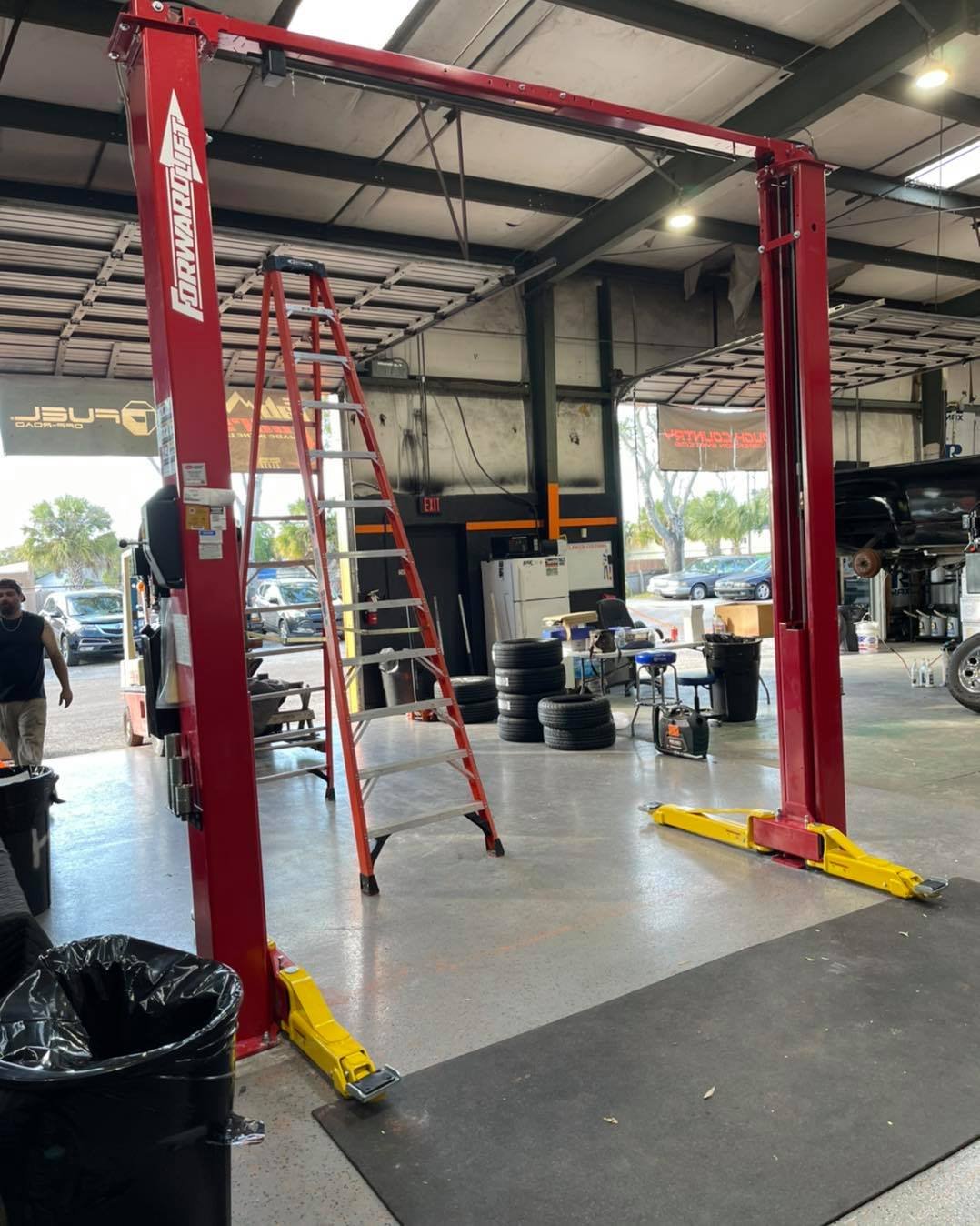
What the Automotive Lift Institute Says
The Automotive Lift Institute identifies ANSI/ALI ALOIM as the North American standard addressing operation, inspection, and maintenance of installed automotive lifts.
The standard covers owner responsibilities, operator training, periodic inspection by qualified inspectors, inspection documentation, and planned and repair maintenance.
Stickney Equipment LLC also has an official listing in the Automotive Lift Institute’s inspector directory.
Automotive Lift Inspection and Maintenance in Central Florida
Stickney Equipment is based in Dover, Florida, and provides automotive lift inspection, maintenance, repair, installation, and related lift services for qualifying facilities throughout Greater Lakeland, Tampa Bay, and surrounding Central Florida communities.
Automotive Lift Inspection and Maintenance FAQs
How often should an automotive lift be professionally inspected?
The Automotive Lift Institute states that ANSI/ALI ALOIM requires every automotive lift to be inspected by a qualified lift inspector at least annually. A manufacturer may recommend more frequent inspection for a particular lift or application.
Is annual inspection the same as preventive maintenance?
No. Inspection evaluates the condition and operation of the lift, while maintenance involves the planned service, adjustment, lubrication, replacement, or repair work required for the equipment. A shop should maintain both programs.
How often should automotive lift maintenance be performed?
Maintenance frequency depends on the specific lift. Follow the manufacturer’s instructions because required tasks and intervals vary by equipment design, operating conditions, and application.
What is checked during an automotive lift inspection?
Depending on the lift, an inspection may evaluate structural, mechanical, hydraulic, pneumatic, electrical, control, safety, labeling, and documentation items specified by the manufacturer and applicable inspection standard.
Should a newly installed lift be inspected?
Yes. The Automotive Lift Institute recommends an inspection when an automotive lift is installed so documentation, safety markings, training information, and installation-related items can be reviewed.
What should I do if a lift starts leaking or operating differently?
A new leak, unusual movement, abnormal noise, control problem, damaged component, or other change should be evaluated rather than ignored. If the condition could affect safe or reliable operation, the lift should not simply remain in normal service until the issue is addressed.
Should automotive lift inspections be documented?
Yes. A qualified inspection should produce a written record of findings so the lift owner can track deficiencies, adjustments, repairs, and the condition of the equipment over time.
Keep Your Automotive Lift Service History on Track
Contact Stickney Equipment to discuss automotive lift inspections, maintenance, repairs, or other lift service needs for your Central Florida facility.