

In-Ground vs. Above-Ground Automotive Lifts: Which Is Right for Your Shop?
Choosing between an in-ground and above-ground automotive lift is not simply a matter of preference. The right choice depends on your shop layout, vehicle mix, installation conditions, workflow, service access, and long-term plans for the facility.
What Is the Main Difference Between In-Ground and Above-Ground Lifts?
In-ground automotive lifts place much of the lifting system below the floor, leaving more of the service bay open above the surface. Above-ground lifts keep the primary lift structure visible and mounted above the floor.
Neither type is automatically better. In-ground systems can support a cleaner, more open bay layout, while above-ground systems are often easier to inspect, service, replace, or reconfigure because more of the equipment remains accessible.
- ✅ In-ground lifts can preserve more open floor space
- ✅ Above-ground lifts keep more components accessible
- ✅ Installation requirements differ significantly
- ✅ Vehicle type and shop workflow should guide the decision
- ✅ Long-term maintenance and facility plans matter
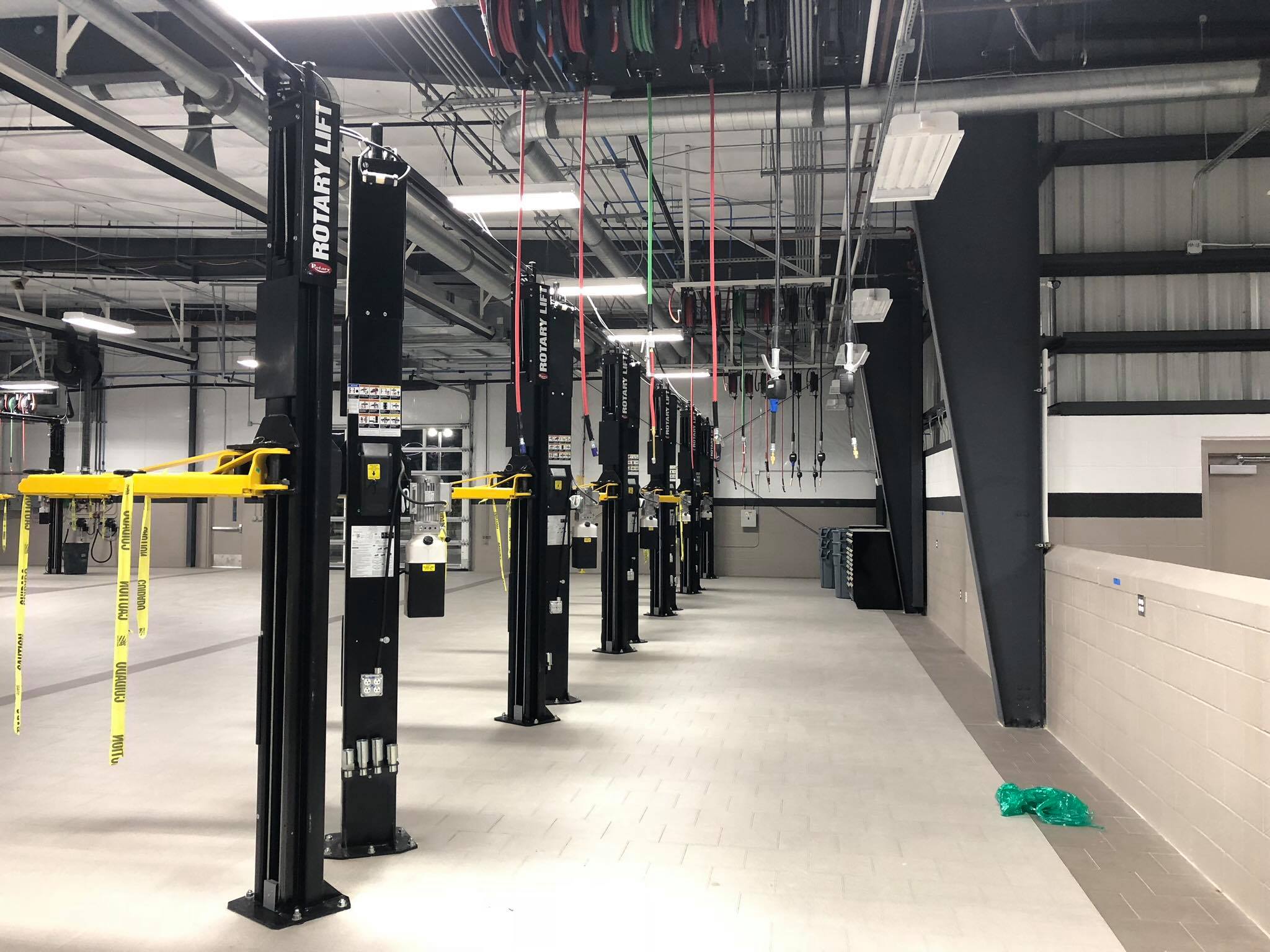
How In-Ground and Above-Ground Lifts Use the Service Bay Differently
The most obvious difference is where the lift structure is located, but that one difference affects installation, access, maintenance, appearance, workflow, and future changes to the shop.
In-Ground Lifts
Much of the lift mechanism is installed below the finished floor, which can leave the bay visually cleaner and less obstructed when the lift is lowered.
Above-Ground Lifts
Columns, runways, arms, platforms, power units, and other major components remain above the floor and are more directly accessible.
Shop Application
The better choice depends on how the bay will be used, what vehicles are serviced, and whether the facility is new construction, a remodel, or an existing shop.
Why Some Shops Prefer In-Ground Automotive Lifts
In-ground lifts can be a strong fit for facilities that value open bay space, clean floor-level presentation, and a layout with fewer above-ground obstructions.
Open Bay Layout
With much of the equipment located below the floor, the service bay can remain more open when the lift is lowered.
Vehicle Access
Depending on the lift design, technicians may have fewer columns or above-floor components around the vehicle.
Facility Appearance
Some shops prefer the cleaner visual appearance of a lift system that keeps more of its structure below the floor.
Workflow Flexibility
An open service bay may support certain alignment, service, wash, inspection, or specialty workflows depending on the equipment.
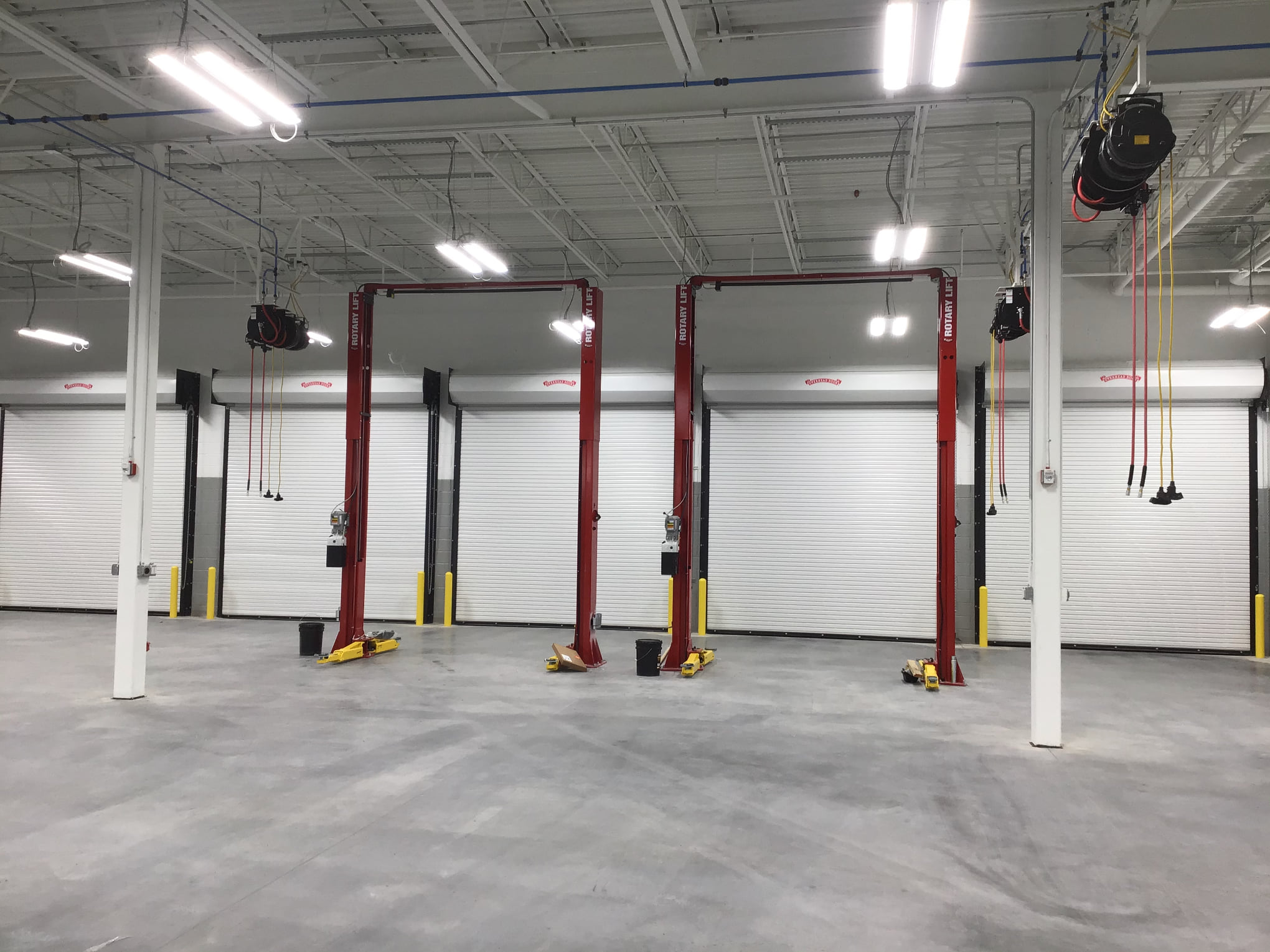
In-Ground Installation Requires More Facility Planning
Because part of the system is installed below the floor, in-ground lift projects require careful planning around excavation, foundations, drainage, utilities, environmental conditions, and manufacturer-specific installation requirements.
Existing facilities may require more preparation than a shop that was originally designed around an in-ground lift system.
- Below-floor space and excavation requirements
- Foundation and concrete conditions
- Drainage and moisture considerations
- Underground utilities or obstructions
- Service access to below-floor components
- Manufacturer installation requirements
Why Above-Ground Lifts Are Common in Repair Shops
Above-ground lifts are widely used because their primary components are installed above the floor and can often be inspected, serviced, or replaced without opening the floor.
Accessible Components
Columns, cables, chains, hoses, power units, arms, runways, and related equipment are generally easier to see and access.
Existing-Shop Installation
Above-ground designs may be more practical for some existing buildings because major lift components do not need to be buried below the floor.
Future Replacement
When a shop changes equipment later, above-ground systems may offer more flexibility because the equipment is less integrated into the floor structure.
Visual Inspection
More of the lift structure remains visible, making it easier to observe many components during routine checks and maintenance.
Above-Ground Equipment Uses More Visible Bay Space
The same features that make above-ground lifts accessible also mean that more of the equipment is physically present around the service bay.
Columns, runways, arms, power units, overhead structures, and related components can affect door opening, vehicle approach, technician movement, and neighboring bay layout.
Column Placement
Two-post and other column-based systems require thoughtful positioning so vehicle doors, walls, cabinets, and neighboring equipment do not interfere with normal use.
Overhead Clearance
Some above-ground lifts have overhead structures or require additional vertical space for the lift and vehicle.
Floor Condition
Above-ground does not mean floor requirements can be ignored. The existing concrete and foundation must still meet the requirements of the selected lift and installation.
In-Ground vs. Above-Ground Automotive Lifts
In-Ground
Can leave more of the service bay open above floor level when the lift is lowered.
Above-Ground
Keeps major components visible and generally easier to access for inspection, maintenance, and repair.
In-Ground
Usually requires more below-floor planning and integration with the facility.
Above-Ground
May be easier to incorporate into some existing shops, depending on the floor and building.
In-Ground
Often chosen when a cleaner and less obstructed bay appearance is important.
Above-Ground
Can provide more flexibility if the shop expects to replace or reconfigure lift equipment later.
The Vehicles You Service Should Influence the Lift Type
A shop handling passenger cars has different needs from a facility servicing work trucks, fleet vehicles, commercial units, long wheelbase vehicles, or specialty equipment.
Lift configuration should be evaluated against vehicle weight, dimensions, wheelbase, lifting points, frame design, attachments, and the type of work performed.
Capacity alone does not determine whether a lift is appropriate for every vehicle in the shop.
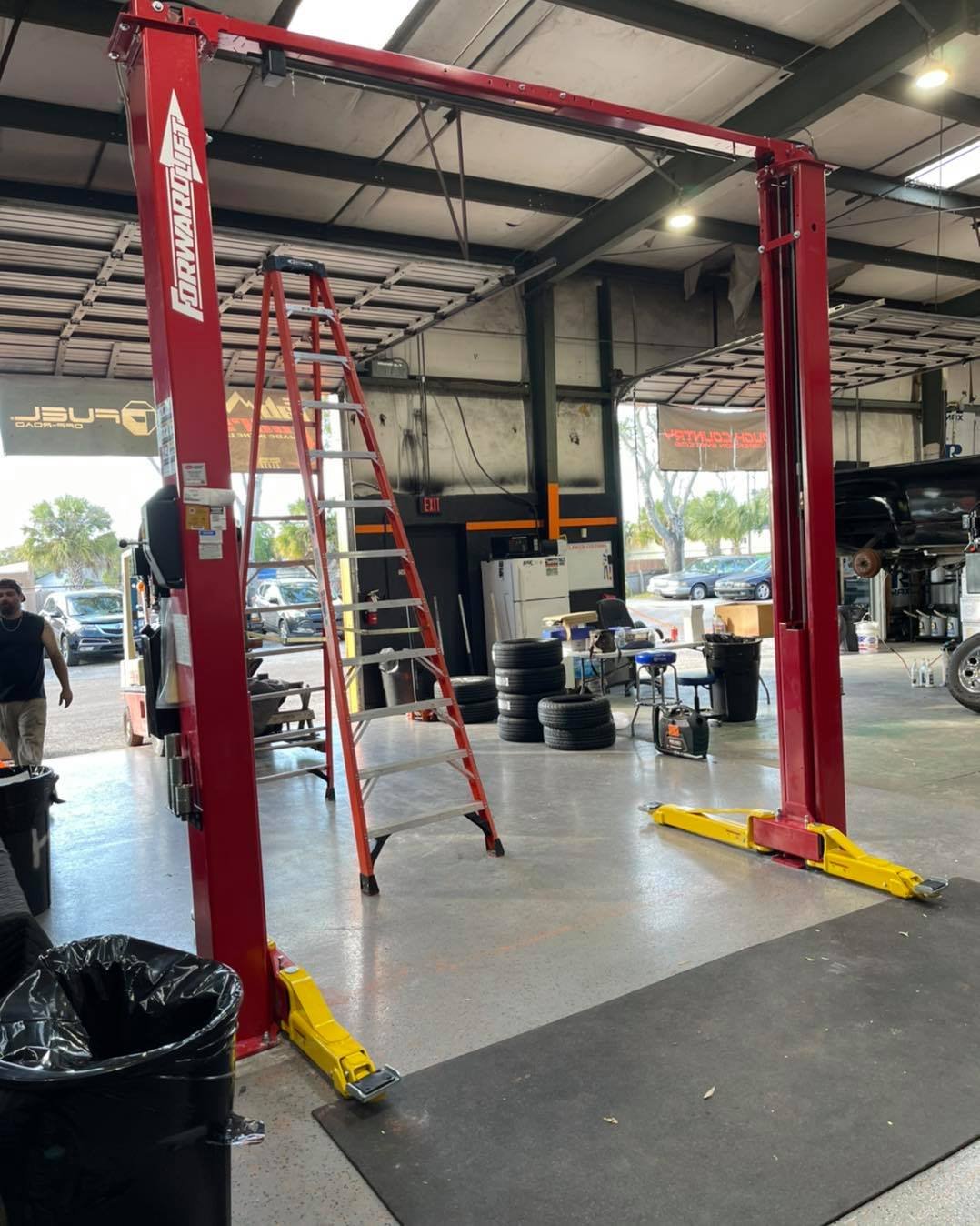
Think About the Work Performed Around the Lift
A lift should support the shop’s workflow rather than forcing technicians to work around an inconvenient layout.
General Repair
Access to wheels, suspension, brakes, underbody components, doors, and service equipment should be considered.
Alignment Work
Alignment applications may require runway-based or specialty lift configurations designed around the alignment process.
Fleet Service
High vehicle volume, repeated cycles, varying vehicle dimensions, and technician efficiency can influence the preferred system.
Specialty Work
Body work, detailing, inspections, tire service, exhaust, transmission work, or other specialty services may benefit from different access patterns.
The Building Can Decide Which Lift Makes More Sense
Shop owners sometimes choose a lift first and evaluate the building second. A better approach is to evaluate the equipment and facility together.
Ceiling height, floor construction, foundation conditions, underground utilities, bay dimensions, doors, vehicle approach, electrical service, drainage, and neighboring equipment can all influence whether an in-ground or above-ground system is practical.
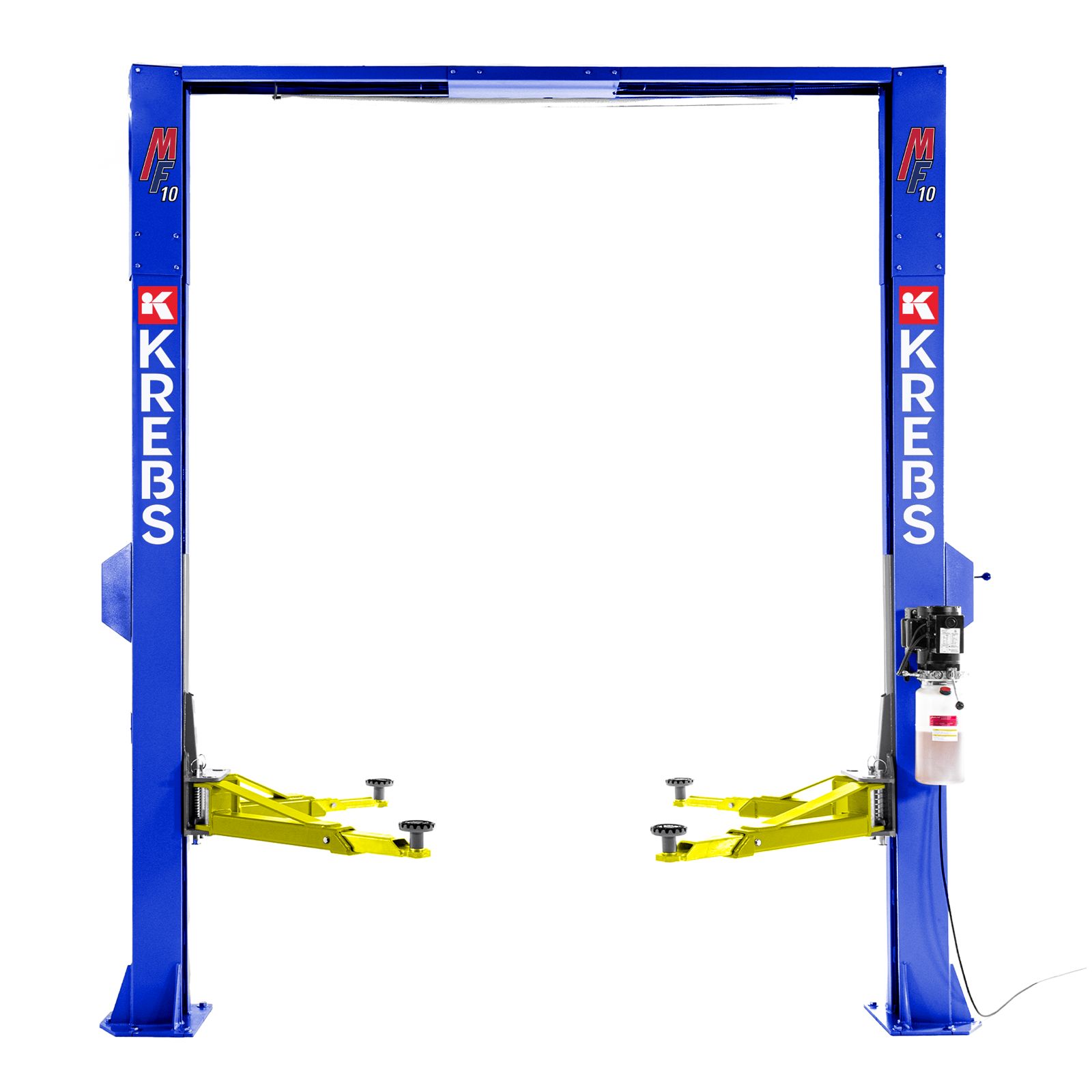
Consider Future Inspection, Maintenance, and Repair Access
Every automotive lift requires ongoing care. The difference is how technicians reach the components that need inspection, maintenance, adjustment, or repair.
Above-ground systems generally keep more components directly visible. In-ground systems can require access to equipment located below the finished floor.
Neither approach is necessarily a disadvantage when the shop is designed and maintained appropriately, but service access should be considered before installation.
New Construction and Existing Shops May Reach Different Answers
New Shop
A new facility can potentially be designed around the selected lift, allowing foundations, utilities, drainage, bay dimensions, and workflow to be coordinated from the beginning.
Existing Shop
Existing concrete, ceiling height, bay spacing, underground conditions, electrical service, and current workflow may limit or favor particular lift configurations.
Shop Remodel
A remodel creates an opportunity to reconsider bay layout, vehicle flow, equipment placement, service access, and long-term lift needs together.
Which Type of Automotive Lift Is Better for Your Shop?
The answer depends on what matters most in your facility. Instead of asking which lift type is universally better, compare the advantages of each against your actual shop.
Consider In-Ground If...
Open bay space, a cleaner floor-level appearance, and fewer above-ground obstructions are important, and the facility can support the required below-floor installation.
Consider Above-Ground If...
Visible component access, easier future equipment changes, and compatibility with an existing facility are important priorities.
Compare Vehicle Needs
Make sure the selected lift configuration is appropriate for the actual vehicles and work performed in the shop.
Evaluate the Site First
A site evaluation can reveal floor, ceiling, foundation, utility, layout, or workflow issues before equipment is purchased.
In-Ground and Above-Ground Automotive Lift Solutions in Central Florida
Stickney Equipment is based in Dover, Florida, and works with repair shops, garages, fleet facilities, and other qualifying automotive operations throughout Greater Lakeland, Tampa Bay, and surrounding Central Florida communities.
In-Ground vs. Above-Ground Lift FAQs
What is the difference between an in-ground and above-ground automotive lift?
In-ground lifts place much of the lifting mechanism below the floor, while above-ground lifts keep the primary equipment structure mounted and visible above the floor.
Are in-ground lifts better for small shops?
Not automatically. An in-ground lift can reduce above-floor obstruction, but the facility still needs appropriate below-floor space, foundation conditions, installation access, and room for the vehicles being serviced.
Are above-ground lifts easier to maintain?
Above-ground lifts generally keep more components visible and directly accessible, which can simplify access for some inspection, maintenance, and repair work. Actual service requirements depend on the lift design.
Can an in-ground lift be installed in an existing repair shop?
It may be possible, but the existing floor, foundation, underground utilities, drainage, excavation access, building layout, and manufacturer requirements should be evaluated before deciding.
Do above-ground lifts still require special concrete?
Above-ground lift installations still have specific concrete, foundation, anchoring, and placement requirements. Those requirements depend on the lift model and site conditions.
Which lift type is better for heavy vehicles?
Heavy-vehicle suitability depends on the specific lift design, capacity, vehicle dimensions, weight distribution, lifting points, and application. Both in-ground and above-ground configurations can be used for heavier vehicles when designed for that purpose.
Should I choose the lift before planning the service bay?
It is better to evaluate the lift, vehicles, service bay, floor, ceiling, utilities, workflow, and future service needs together before making a final equipment decision.
Compare the Lift to the Shop Before You Buy
Contact Stickney Equipment to discuss in-ground and above-ground automotive lift options, your vehicles, service-bay layout, installation conditions, and long-term equipment needs.