

Repair or Replace an Automotive Lift? How to Know When It’s Time
A lift does not automatically need replacement because it is old, and it does not automatically make sense to keep repairing equipment just because it can still be fixed. The better decision depends on the lift’s condition, repair history, parts availability, downtime, compatibility, and long-term role in the shop.
When Should an Automotive Lift Be Repaired Instead of Replaced?
Repair often makes sense when the lift is structurally sound, compatible replacement parts are available, the problem is isolated, and the equipment still fits the vehicles and workload of the shop.
Replacement may make more sense when the lift has recurring failures, significant corrosion or structural concerns, obsolete or unavailable parts, repeated downtime, compatibility limitations, or a history of repairs that no longer supports reliable operation.
- ✅ Evaluate condition, not age alone
- ✅ Review repair history and repeat failures
- ✅ Check whether correct replacement parts are still available
- ✅ Consider downtime and lost shop productivity
- ✅ Confirm the lift still matches current vehicles and workload
- ✅ Compare long-term value, not just the next repair bill
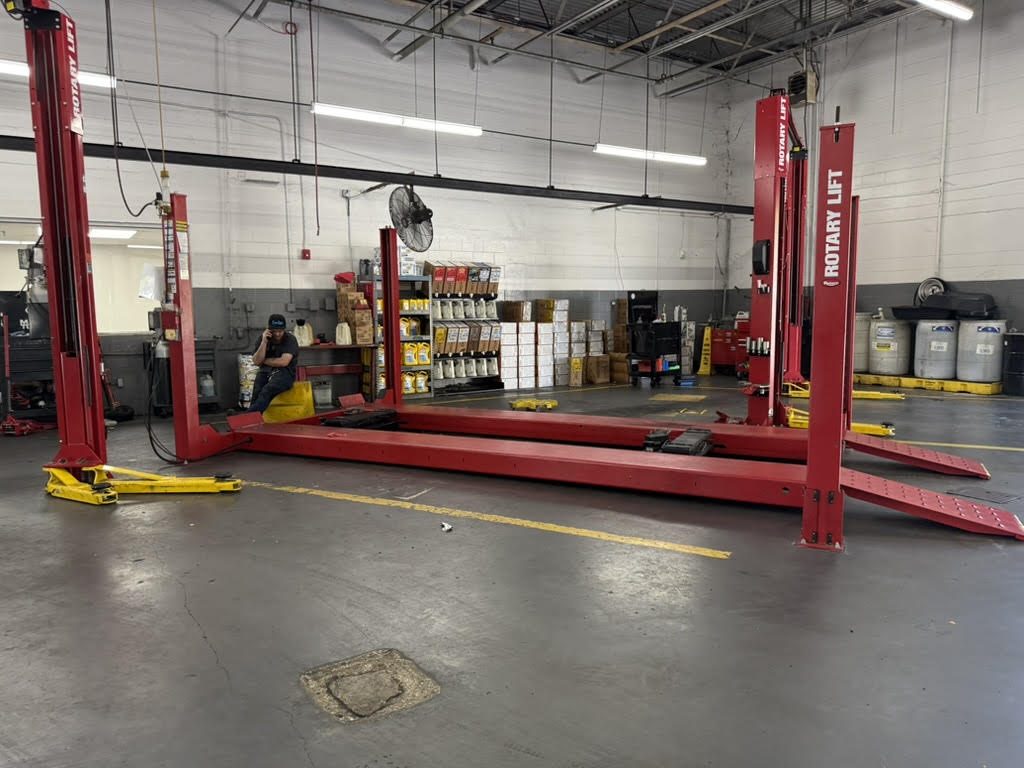
Lift Age Matters, but Age Alone Does Not Decide the Outcome
An older lift that has been properly maintained, inspected, and repaired with appropriate parts may remain serviceable. A newer lift can still develop problems if it has been damaged, poorly maintained, overloaded, altered, or used in conditions it was not designed for.
Physical Condition
Structural components, moving parts, hydraulic systems, controls, contact points, locks, and other lift-specific components should be evaluated for wear, damage, or deterioration.
Maintenance History
Consistent manufacturer-recommended maintenance and documented repairs provide useful context when deciding whether the lift is still a practical long-term asset.
Current Application
A lift may still function correctly but no longer fit the shop if vehicle sizes, workloads, service types, or equipment needs have changed.
Repair Can Be the Right Choice When the Problem Is Limited and the Lift Still Fits the Shop
Many automotive lift problems can be corrected without replacing the complete system. The decision should be based on the actual deficiency and the overall condition of the equipment.
Isolated Component Failure
A failed hose, switch, seal, cable, chain, lock, fitting, contact pad, or other serviceable component may justify repair when the rest of the lift remains in suitable condition.
Parts Are Available
Repair is more practical when correct replacement components are available and appropriate for the exact manufacturer and model.
Structural Condition Is Acceptable
When the primary structure remains suitable and the deficiency is limited to repairable components, replacement may not be necessary.
The Lift Still Fits the Work
If the equipment remains appropriate for the vehicles, capacity, bay layout, and services the shop performs, repair may preserve a useful asset.
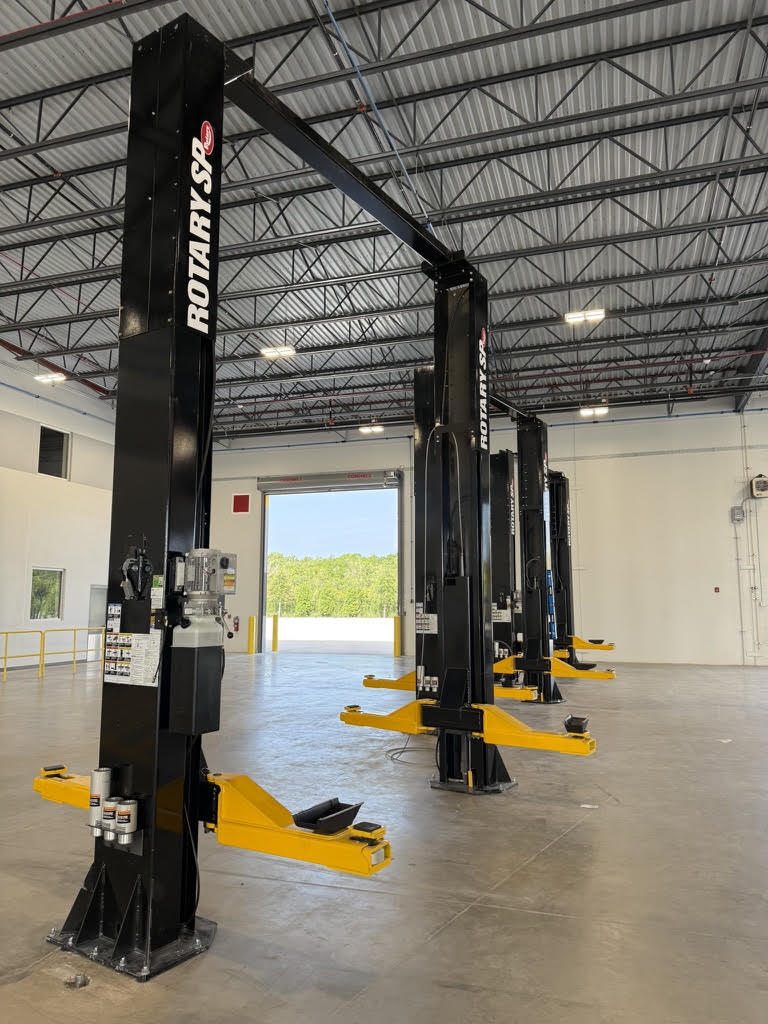
Repeated Repairs Can Change the Economics of Keeping the Lift
One repair does not usually justify replacement. A pattern of recurring failures is different.
If a lift repeatedly develops problems, requires frequent service, or keeps creating unplanned downtime, the shop should look beyond each individual repair and consider the equipment as a whole.
- The same problem keeps returning
- New problems are appearing more frequently
- Service interruptions are becoming common
- Repair history is growing faster than normal maintenance
- Multiple major systems now need attention
- Downtime is disrupting customer or fleet work
Parts Availability Can Become the Deciding Factor
Older or discontinued equipment can become increasingly difficult to maintain when correct replacement components are no longer readily available.
The issue is not simply whether some part can be made to fit. Lift repairs should use components that are appropriate for the equipment and application.
Discontinued Components
When important parts are no longer supported, future repairs may become slower, more complicated, or impractical.
Unknown Replacement Parts
Improvising substitute components without confirming compatibility can create additional problems.
Long Lead Times
Even when a part technically exists, extended availability delays can create significant downtime for a busy shop.
Structural Damage or Significant Corrosion Requires Careful Evaluation
Structural concerns should not be treated like an ordinary wear-item replacement. Damage, deformation, cracking, corrosion, or other deterioration affecting load-bearing components can change the repair-versus-replacement decision significantly.
Columns and Frames
Bent, cracked, heavily corroded, or otherwise damaged structural members require proper evaluation.
Runways and Platforms
Load-bearing surfaces and related structures should remain in suitable condition for their intended application.
Arms and Carriages
Damage to major lifting components should be evaluated according to the equipment manufacturer’s requirements and applicable service guidance.
Anchoring or Foundation Concerns
Problems involving the lift’s installation, anchoring, floor, or foundation may require more than replacement of a small component.
Your Shop May Have Outgrown the Lift Even If It Still Works
Equipment can become outdated for a business without being broken. A shop that originally serviced passenger cars may later begin handling larger pickups, vans, fleet units, or heavier commercial vehicles.
A lift that no longer provides the right capacity, arm reach, runway dimensions, clearance, adapters, or vehicle compatibility can limit the shop even if the equipment remains operational.
In that situation, replacement can be a business and workflow decision rather than a response to mechanical failure.
Downtime Can Cost More Than the Repair Invoice
A lift is productive equipment. When it is unavailable, the cost to the business can include more than parts and labor.
Lost Bay Capacity
A disabled lift may remove an entire service bay from productive use.
Schedule Disruption
Vehicles may need to be moved to other bays, appointments rescheduled, or work delayed.
Technician Efficiency
Technicians may lose productive time waiting for equipment, reorganizing work, or sharing fewer available lifts.
Compare the Full Cost of Repair With the Full Value of Replacement
The cheapest immediate option is not always the least expensive long-term choice.
Repair Cost
Consider parts, labor, additional deficiencies discovered during service, and the likelihood of future repairs.
Downtime Cost
Include the business impact of the lift being unavailable during diagnosis, parts sourcing, and repair.
Replacement Installation
Replacement may involve equipment, removal, site preparation, installation, utilities, and other project-specific work.
Future Capability
A new lift may provide compatibility with a broader or more useful vehicle range for the shop's current business.
Your Maintenance and Repair Records Can Reveal the Pattern
One of the best ways to evaluate an older lift is to review what has happened over time.
Inspection reports, maintenance records, parts replacement, repair invoices, and downtime notes can show whether the equipment has been generally reliable or is entering a cycle of repeated problems.
Look for Frequency
Are repairs becoming more common than they were several years ago?
Look for Severity
Are the problems still limited to ordinary wear items, or are major systems now requiring attention?
Look for Repetition
Is the same deficiency returning even after previous service?
A Qualified Inspection Can Help Define the Lift's Actual Condition
When the repair-versus-replacement decision is not obvious, a qualified inspection can provide a more complete picture of the equipment.
Inspection findings may identify structural, mechanical, hydraulic, electrical, safety, maintenance, or documentation deficiencies that should be considered before additional money is invested in the lift.
Stickney Equipment LLC has an official listing in the Automotive Lift Institute's inspector directory.
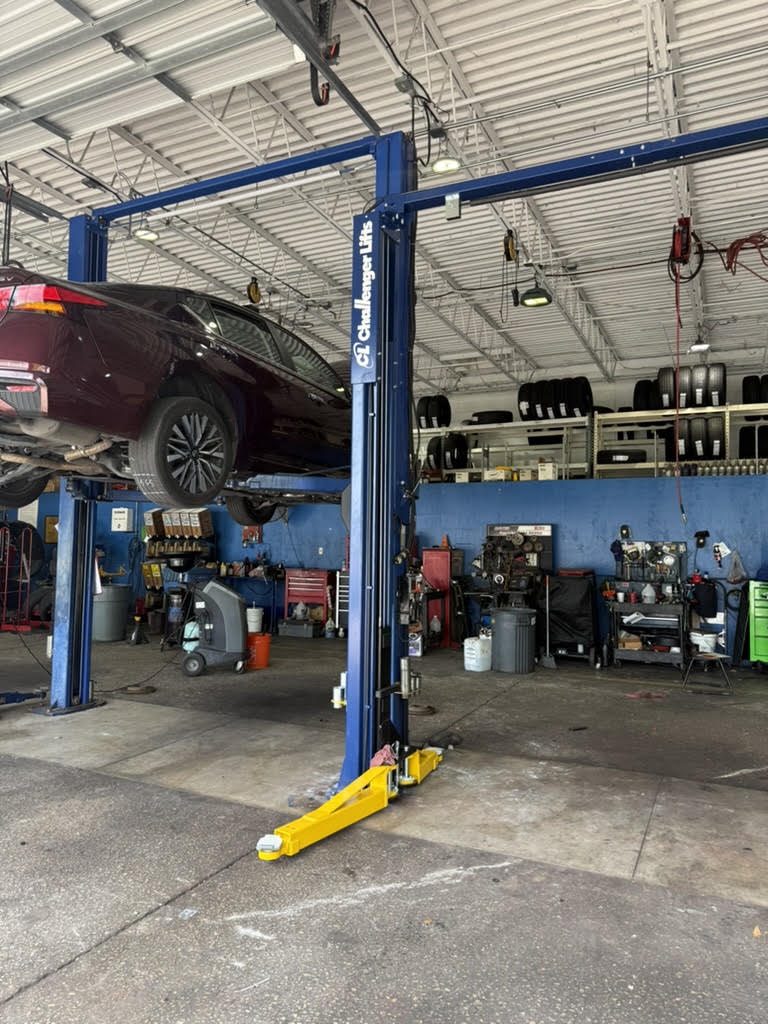
Treat Lift Replacement as a New Equipment Project
Replacing an existing lift is a chance to evaluate the shop rather than automatically installing another piece of equipment in the same location.
Reevaluate Capacity
Confirm the new lift matches the vehicles the shop currently services and realistic future needs.
Reevaluate the Bay
Review vehicle approach, technician access, ceiling clearance, surrounding equipment, and workflow.
Reevaluate the Floor
Do not assume the previous installation means the existing floor automatically meets the requirements of a different lift.
Reevaluate Accessories
Confirm adapters, contact points, and other accessories match the vehicles and the new equipment.
6 Questions to Ask Before Repairing an Older Automotive Lift
What Actually Failed?
Is this an isolated wear component or evidence of a larger equipment problem?
What Else Is Worn?
Will repairing today's issue leave several other significant deficiencies waiting to be addressed?
Are Correct Parts Available?
Can the lift continue to be supported with appropriate manufacturer-compatible components?
How Often Has It Failed?
Is this unusual, or has repair become a recurring part of operating the equipment?
Does It Still Fit the Work?
Is the lift still suitable for the vehicle range, workload, and services the business wants to perform?
What Is the Long-Term Plan?
Is the repair extending the useful life of appropriate equipment, or simply delaying an inevitable replacement?
Automotive Lift Repair, Inspection, and Installation in Central Florida
Stickney Equipment is based in Dover, Florida, and provides automotive lift repair, inspections, maintenance, installation, parts, and related lift services for qualifying facilities throughout Greater Lakeland, Tampa Bay, and surrounding Central Florida communities.
Automotive Lift Repair vs. Replacement FAQs
Is an old automotive lift automatically unsafe?
No. Age alone does not determine whether a lift is serviceable. Its actual condition, inspection findings, maintenance history, parts availability, previous repairs, and current application should be evaluated.
When does it make sense to repair an automotive lift?
Repair may make sense when the problem is isolated, the primary equipment remains in suitable condition, correct parts are available, and the lift still meets the shop's vehicle and workflow needs.
When should an automotive lift be replaced?
Replacement may deserve consideration when the lift has recurring failures, significant structural deterioration, difficult-to-source parts, repeated downtime, major deficiencies, or no longer matches the vehicles and work the shop performs.
Does parts availability matter when deciding whether to replace a lift?
Yes. Limited or discontinued parts support can make future repairs slower, more difficult, or impractical even when the current problem can still be repaired.
Should recurring lift repairs be a reason to replace the equipment?
Recurring repairs should at least trigger a broader evaluation. The shop should compare repair frequency, downtime, equipment condition, parts support, and long-term usefulness rather than judging each repair separately.
Can a lift inspection help determine whether replacement is needed?
Yes. A qualified inspection can document the lift's current condition and identify deficiencies that should be considered when deciding whether further repair is practical.
Can Stickney Equipment repair or replace automotive lifts in Central Florida?
Stickney Equipment provides automotive lift repair, inspections, maintenance, installation, and related lift services for qualifying facilities throughout Greater Lakeland, Tampa Bay, and surrounding Central Florida communities.
Evaluate the Lift Before Putting More Money Into It
Contact Stickney Equipment to discuss the condition, repair history, parts availability, inspection findings, vehicle needs, and future plans for your automotive lift.