

How Automotive Lift Parts and Accessories Affect Vehicle Compatibility
The lift itself is only part of the vehicle-support system. Adapters, contact pads, arm components, extensions, restraints, and other accessories can determine whether a vehicle can be positioned and supported correctly on a particular lift.
Why Do Lift Parts and Accessories Matter for Vehicle Compatibility?
A vehicle can fall within a lift’s rated capacity and still require different adapters, contact pads, arm reach, extensions, or other compatible components before it can be positioned correctly.
Vehicle weight is only one part of the decision. Lifting-point location, frame design, ground clearance, wheelbase, body configuration, installed equipment, and the exact lift model can all affect which parts and accessories are appropriate.
- ✅ Capacity alone does not guarantee compatibility
- ✅ Adapters can affect access to designated lifting points
- ✅ Pads and contact surfaces must suit the application
- ✅ Arm reach and vehicle geometry matter
- ✅ Trucks and fleet vehicles may need different accessories
- ✅ Accessories should be compatible with the exact lift
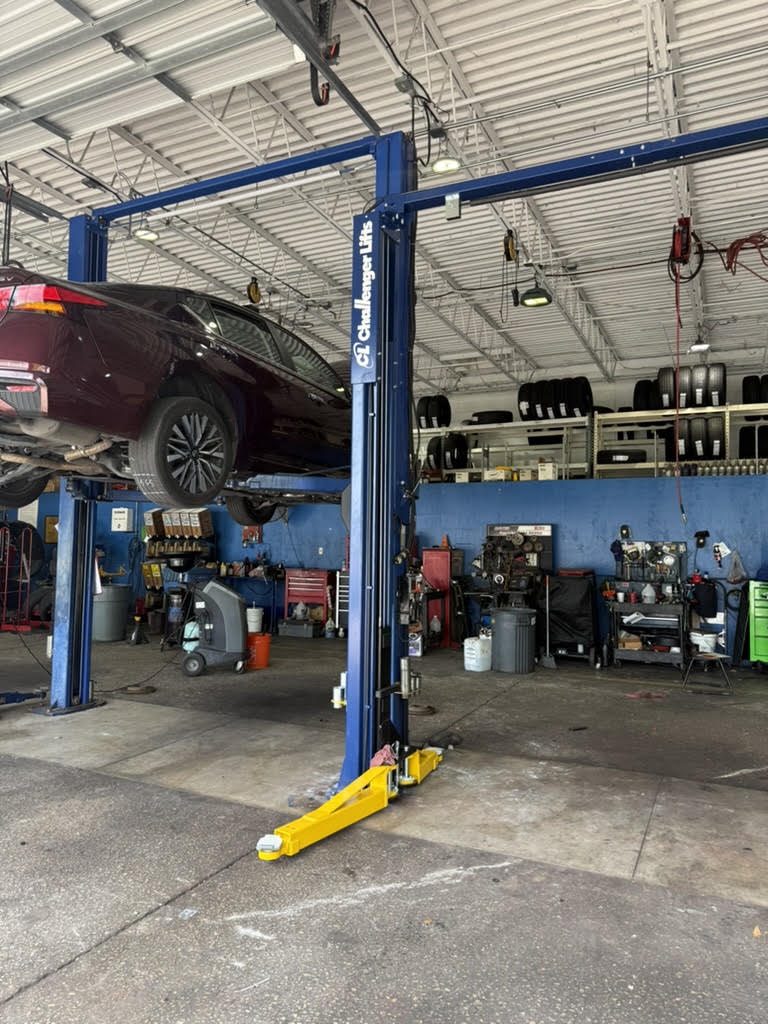
A Lift Can Have Enough Capacity and Still Be the Wrong Fit
One of the most common mistakes when evaluating a lift is looking only at rated capacity. Capacity is important, but the lift must also physically and correctly interface with the vehicle.
Lifting Points
The lift and its accessories must be able to reach the vehicle’s designated lifting locations without forcing an improper contact position.
Vehicle Geometry
Wheelbase, width, frame shape, ground clearance, running boards, body components, and other vehicle features can affect fit.
Accessory Compatibility
The correct accessory should be appropriate for the lift model, the vehicle, and the intended lifting application.
Automotive Lift Adapters Help Reach the Correct Contact Points
Different vehicle designs place lifting points at different heights and positions. Adapters can help bridge those differences when they are appropriate for the lift and vehicle.
Height Differences
Some vehicles require additional contact height to reach the intended lifting location while keeping other vehicle components clear.
Frame Access
Trucks and other frame-based vehicles may have lifting points that require a different contact arrangement than a lower passenger vehicle.
Vehicle-Specific Applications
Certain configurations may require specialized compatible adapters rather than a one-size-fits-all contact point.
Proper Retention
Adapters should fit and remain positioned as intended for the equipment rather than being improvised or loosely stacked.
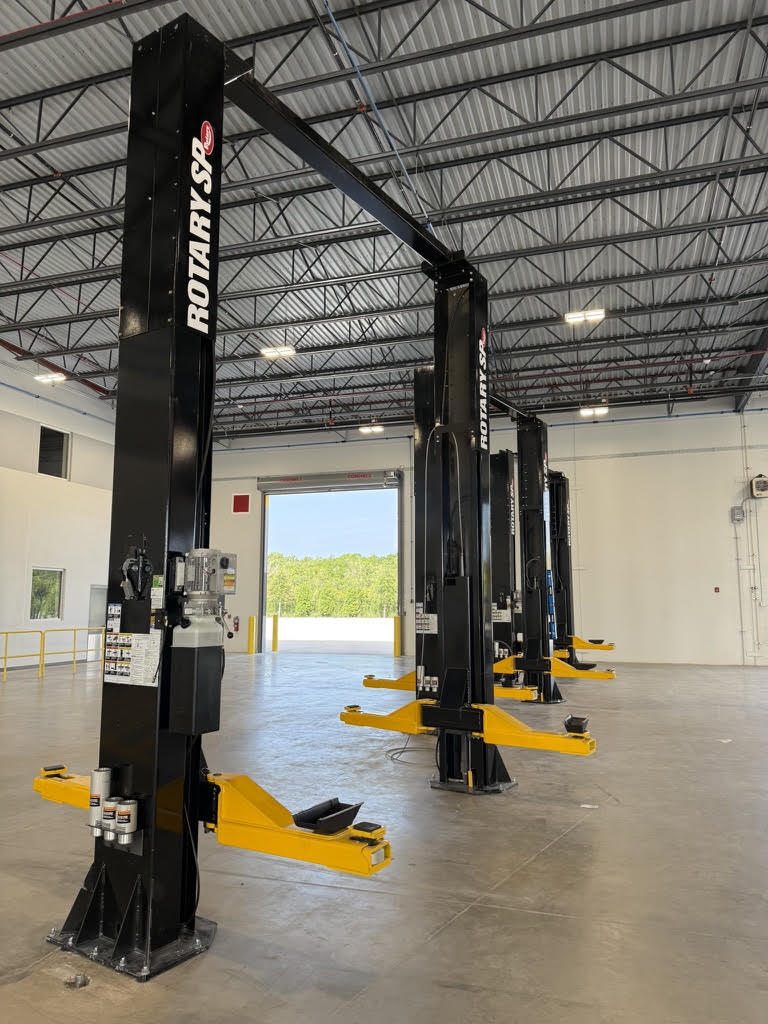
Lift Pads Are Small Components With a Critical Job
Contact pads create the interface between the lift and the vehicle’s designated lifting area. Their size, shape, condition, and position can affect how securely the vehicle is supported.
Worn, missing, damaged, or unsuitable pads should not be treated as minor cosmetic issues.
- Check for damaged or deteriorated contact surfaces
- Confirm pads are appropriate for the lift
- Confirm contact geometry suits the vehicle application
- Replace damaged components with appropriate parts
- Avoid improvised contact surfaces
- Keep contact areas clean enough for proper positioning
Arm Reach Can Determine Whether a Vehicle Fits a Two-Post Lift
A two-post lift must do more than fit between the vehicle’s wheels. The arms need to reach the designated lifting points while allowing the vehicle to be positioned appropriately between the columns.
Arm Length
Shorter or longer vehicles can require different arm reach to contact the correct lifting locations.
Arm Restraints
Arm restraint systems and related components should function as intended for the lift design.
Pins and Moving Joints
Pins, joints, sliders, and related moving components should remain in suitable condition and should not show obvious damage or unintended movement.
Extensions Can Help With Taller Vehicles, but They Must Be Appropriate
Pickups, SUVs, vans, and commercial vehicles can sit higher than ordinary passenger cars. Compatible extensions may help reach the intended lifting points while maintaining the correct equipment configuration.
Ground Clearance
Higher vehicles can require additional contact height depending on frame and lifting-point location.
Running Boards
Side steps and running boards can interfere with direct contact and may influence adapter or extension needs.
Service Bodies
Work-truck bodies and mounted equipment can change both contact access and weight distribution.
Manufacturer Compatibility
Extensions should be suitable for the exact lift and intended application rather than improvised to gain extra height.
Larger Vehicles Often Create More Accessory Considerations
Trucks, commercial vans, fleet vehicles, and service-body units can differ substantially from passenger cars in height, wheelbase, frame configuration, lifting-point location, and weight distribution.
A lift intended to service a broad range of vehicles may need different accessories depending on what enters the bay.
The right equipment combination should be chosen around the actual vehicle mix rather than assuming every vehicle below the rated capacity can use the same setup.
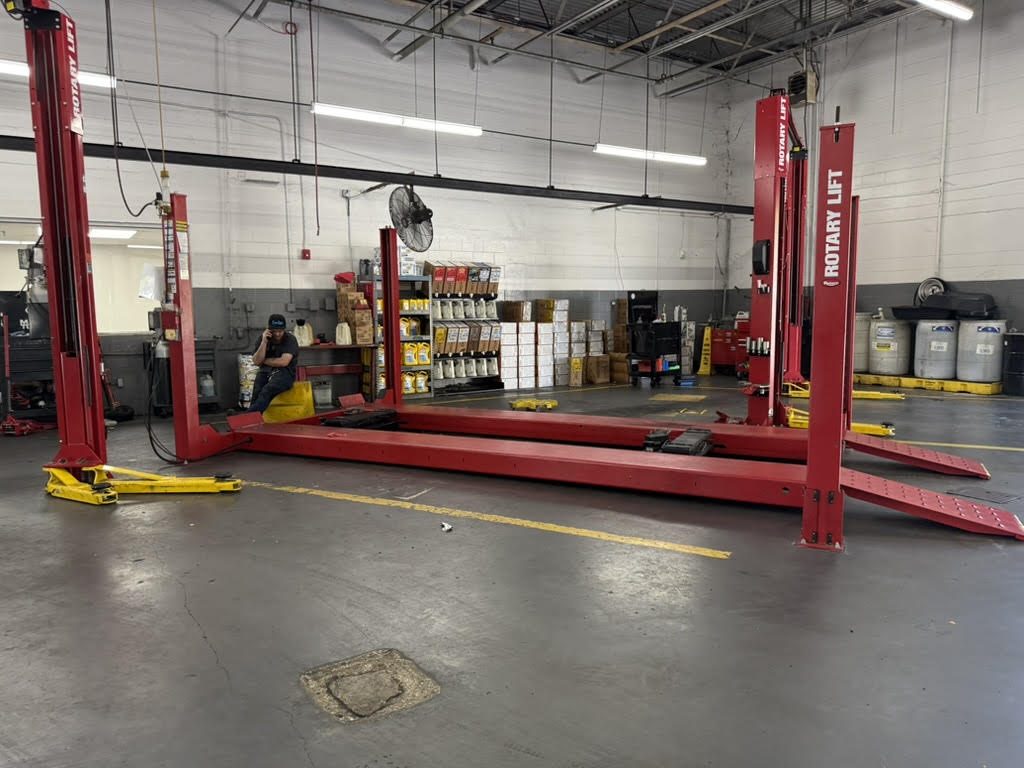
Worn Lift Parts Can Turn a Compatible Setup Into a Poor One
Even when the original lift and accessory combination is appropriate, wear or damage can change how the equipment performs.
Worn Pads
Damaged or deteriorated contact surfaces may no longer provide the intended vehicle interface.
Loose Arm Components
Excessive looseness, damaged joints, or worn components can affect positioning and normal operation.
Damaged Adapters
Bent, cracked, heavily worn, or otherwise damaged adapters should be evaluated rather than kept in normal service.
A Part That Physically Fits Is Not Automatically the Right Part
Automotive lift components are part of load-bearing equipment. Similar dimensions do not automatically mean two components are interchangeable.
Lift Model
Confirm that the replacement component is appropriate for the exact lift model and configuration.
Intended Function
Parts that look similar may perform different roles or have different design requirements.
Capacity and Loading
Load-bearing components and accessories should be appropriate for the equipment and intended application.
Manufacturer Information
Parts identification should rely on proper equipment information, documentation, and verified compatibility.
Do Not Modify Lift Accessories Just to Make a Vehicle Fit
When a vehicle does not contact the lift correctly, the answer should not be an improvised block, spacer, altered adapter, or unverified component.
If the required lifting points cannot be reached with the appropriate equipment configuration, the vehicle and lift combination should be reassessed.
The correct solution may involve compatible accessories, a different arm arrangement, another lift configuration, or different equipment altogether.
Vehicle Compatibility Should Be Considered Before the Lift Is Installed
Accessories are easier to plan when the vehicle mix is known before installation. Waiting until the first incompatible vehicle enters the bay can create unnecessary delays.
Identify the types of passenger vehicles, pickups, vans, work trucks, fleet units, and specialty vehicles the lift is expected to handle.
Then evaluate the lift configuration, arm reach, contact points, adapters, extensions, vehicle dimensions, and manufacturer information together.
Keep the Right Accessories Available for the Vehicles You Service
A busy repair shop benefits from knowing which accessories belong to each lift and which vehicle applications they support.
Identify the Lift
Keep manufacturer and model information available so replacement parts and accessories can be matched correctly.
Organize Accessories
Store adapters, extensions, and related components where they can be identified and used with the correct equipment.
Inspect Condition
Check parts for visible damage, wear, deterioration, or missing components before use.
Replace Appropriately
When a component needs replacement, verify compatibility instead of relying only on appearance or dimensions.
Accessories Should Be Included in the Lift's Ongoing Care
Lift maintenance should not stop at the major columns, cylinders, runways, or power unit. Contact components and accessories also deserve attention.
Pads, adapters, extensions, arm components, pins, retainers, and related items can wear or become damaged through normal use.
Manufacturer maintenance instructions and qualified inspections can help identify parts that need adjustment, service, or replacement.
What to Verify Before Using an Accessory With an Automotive Lift
Correct Lift
Confirm the accessory is appropriate for the manufacturer, model, and configuration of the lift.
Correct Vehicle
Make sure the accessory supports proper contact with the intended vehicle’s designated lifting points.
Good Condition
Do not use visibly damaged, heavily worn, cracked, bent, or otherwise questionable components.
Proper Position
The accessory should seat and remain positioned as intended before the vehicle is raised.
Correct Capacity
Equipment and accessories should remain within applicable manufacturer loading and application requirements.
No Improvisation
If the correct setup cannot be achieved with appropriate components, reassess the lift and vehicle combination.
Automotive Lift Parts, Accessories, and Service in Central Florida
Stickney Equipment is based in Dover, Florida, and provides automotive lift parts, accessories, installation, maintenance, inspections, repair, and related lift services for qualifying facilities throughout Greater Lakeland, Tampa Bay, and surrounding Central Florida communities.
Automotive Lift Parts and Accessories FAQs
Why do automotive lift adapters matter?
Adapters can help the lift reach a vehicle’s designated lifting points when additional height or a different contact configuration is required. They should be appropriate for the exact lift and intended vehicle application.
Can I use any lift pad that fits my automotive lift?
A pad should be compatible with the lift and suitable for the intended vehicle contact point. Physical fit alone does not confirm that a component is appropriate.
Do trucks require different lift accessories than cars?
They can. Trucks, vans, fleet vehicles, and service-body units may have different ground clearance, frame geometry, lifting points, weight distribution, and equipment that affect adapter or extension needs.
Does lift capacity mean every lighter vehicle will fit?
No. Capacity is only one compatibility factor. Arm reach, vehicle dimensions, lifting points, weight distribution, contact components, and accessory compatibility also matter.
Can I modify an adapter to make it fit a vehicle?
Improvised or unverified modifications should not be used as a substitute for an appropriate lift and accessory setup. Use equipment that is compatible with the lift and intended vehicle application.
Should lift accessories be inspected and maintained?
Yes. Contact pads, adapters, extensions, arm components, pins, retainers, and other accessories can wear or become damaged and should be included in appropriate maintenance and inspection activities.
Does Stickney Equipment provide automotive lift parts and accessories in Central Florida?
Stickney Equipment provides automotive lift parts, accessories, and related lift services for qualifying facilities throughout Greater Lakeland, Tampa Bay, and surrounding Central Florida communities.
Make Sure the Lift Setup Matches the Vehicles You Service
Contact Stickney Equipment to discuss automotive lift parts, adapters, accessories, vehicle compatibility, installation, maintenance, repair, or inspection needs for your Central Florida facility.