

What Automotive Lift Capacity Does Your Repair Shop Need?
Choosing an automotive lift based only on the heaviest vehicle in your shop can lead to the wrong equipment decision. Rated capacity matters, but vehicle dimensions, weight distribution, lifting points, adapters, shop workflow, and future vehicle mix should also be part of the selection process.
Choose Lift Capacity Around the Vehicles You Actually Service
The right automotive lift should be rated for the vehicles you intend to raise and should also be compatible with their dimensions, lifting points, weight distribution, wheelbase, and configuration. A lift's total rated capacity should never be treated as permission to lift every vehicle below that number.
Before selecting equipment, identify the heaviest and most demanding vehicles the shop regularly services, then compare those vehicles with the lift manufacturer's specifications and approved applications.
- ✅ Know the actual vehicles the shop services
- ✅ Confirm total vehicle weight
- ✅ Consider front-to-rear and side-to-side weight distribution
- ✅ Check wheelbase, width, and lifting-point access
- ✅ Verify compatible adapters and accessories
- ✅ Follow the specific lift manufacturer's limits and instructions
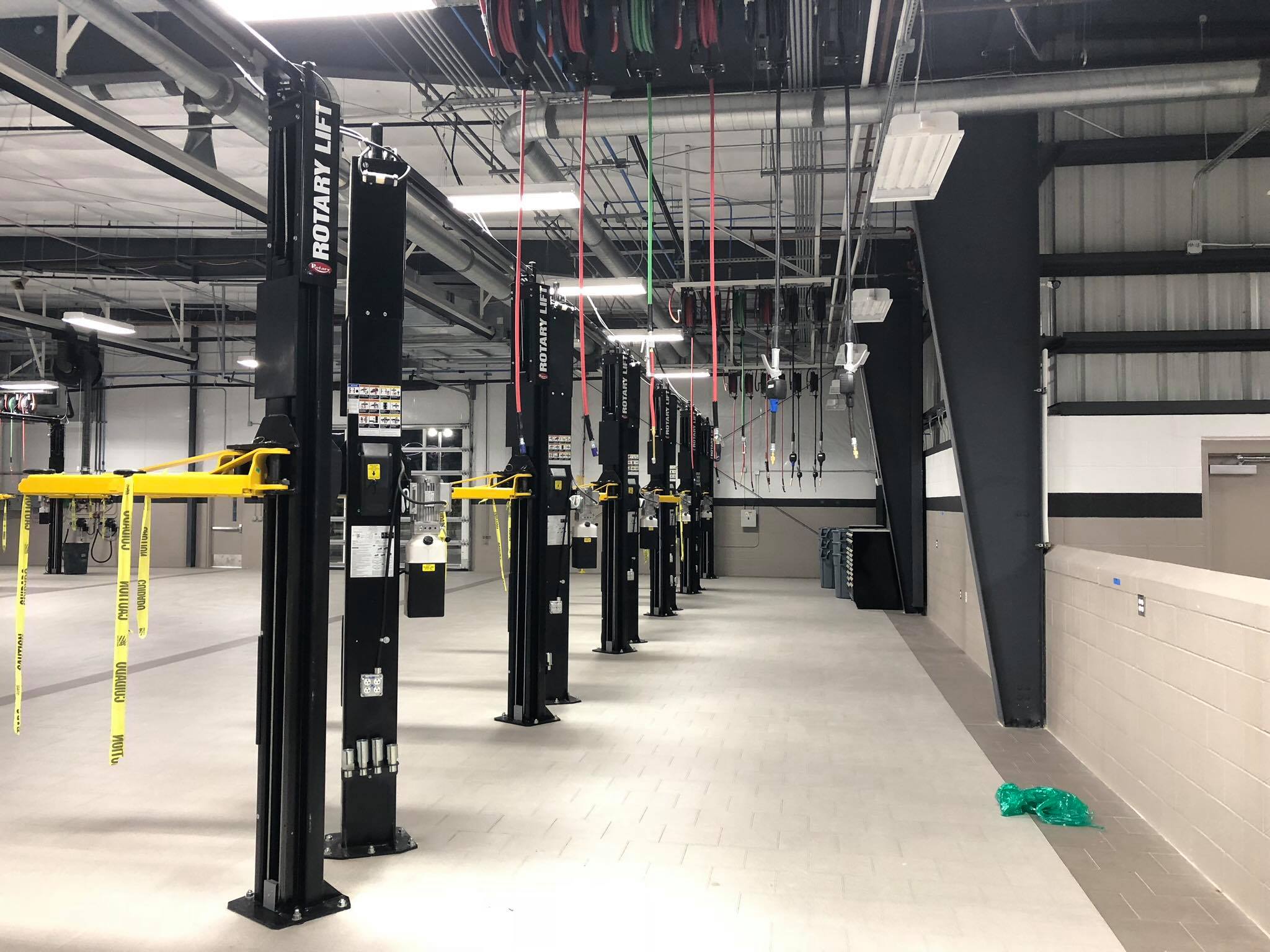
Automotive Lift Capacity Is More Than the Number on the Nameplate
Rated capacity is essential, but it is only one part of determining whether a lift is appropriate for a specific vehicle.
Total Vehicle Weight
The vehicle's actual operating weight should remain within the lift's rated limits and manufacturer requirements.
Weight Distribution
Vehicles do not always distribute weight evenly between axles or from one end of the vehicle to the other. That distribution can affect how the vehicle loads the lift.
Vehicle Geometry
Wheelbase, track width, lifting points, ground clearance, frame design, body configuration, and attachments can determine whether the lift can safely reach and support the vehicle.
Start With the Actual Operating Weight of the Vehicle
Published vehicle weight can be useful as a starting point, but the vehicle in the service bay may weigh more than a basic factory configuration.
Work Trucks
Toolboxes, service bodies, racks, mounted equipment, fuel, materials, and other additions can increase the weight of a work vehicle.
Fleet Vehicles
Fleet vehicles may carry permanently installed equipment or specialized bodies that change their operating weight and balance.
Modified Vehicles
Larger tires, aftermarket bumpers, suspension components, batteries, accessories, and other modifications can alter vehicle weight.
Specialty Vehicles
Commercial bodies, equipment packages, conversions, and specialty configurations may differ significantly from a standard passenger vehicle.
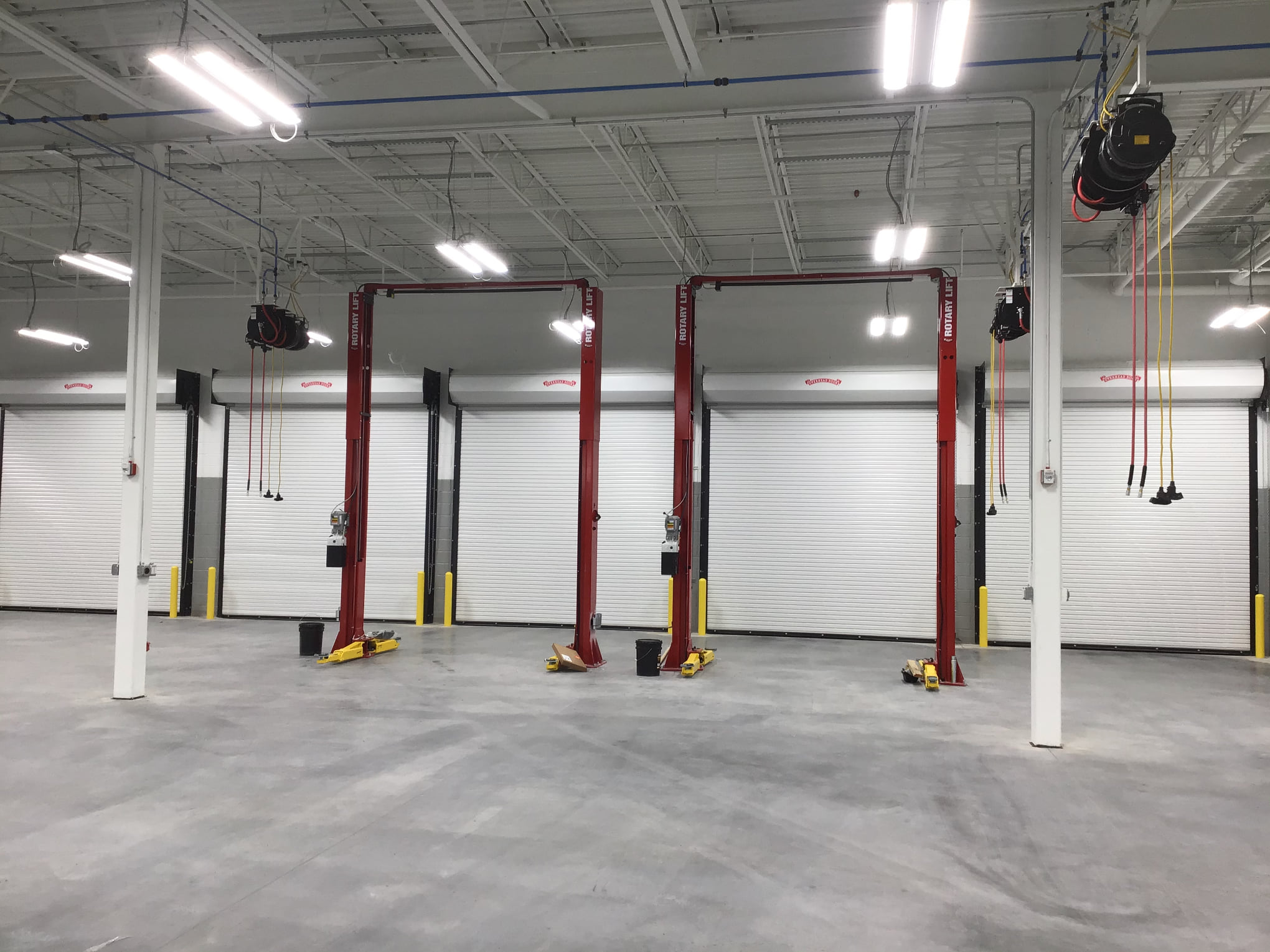
A Vehicle Can Be Within Total Capacity and Still Be the Wrong Application
Total vehicle weight does not tell you how that weight is distributed. Engines, service bodies, mounted equipment, batteries, cargo areas, and other components can place substantially different loads on the front and rear of a vehicle.
Lift arms, runways, platforms, columns, and other components may have their own loading limitations or operating requirements. Manufacturer documentation should be used to determine whether the selected equipment is appropriate for the vehicle.
- Front axle loading
- Rear axle loading
- Uneven equipment or body weight
- Vehicle modifications
- Location of lifting points
- Manufacturer-approved lifting configuration
Capacity Does Not Tell You Whether the Vehicle Will Fit the Lift
A vehicle can fall within a lift's rated weight capacity while still being incompatible with its dimensions or lifting configuration.
Wheelbase
Wheelbase affects arm reach, runway position, vehicle centering, and the ability to place lifting contacts correctly.
Vehicle Width
Wider trucks, vans, fleet vehicles, or specialty vehicles may need additional clearance between columns or around platforms.
Ground Clearance
Low vehicles may require different approaches, adapters, or lift configurations than taller trucks and SUVs.
Overall Height
Vehicle height affects the total overhead clearance required when the vehicle is raised.
The Lift Must Reach the Vehicle's Proper Lifting Locations
Weight capacity is not useful if the lift cannot properly contact the vehicle at the designated lifting points.
Arm Reach
Two-post lift arms must provide the reach and positioning needed for the vehicle's designated lifting locations.
Contact Pads
Pads and contact surfaces should match the vehicle and lift application and remain in serviceable condition.
Adapters
Some vehicles require compatible adapters to reach designated lifting points while maintaining proper contact.
Vehicle Configuration
Frames, running boards, batteries, fuel tanks, body components, and other equipment can affect lifting-point access.
Choose Capacity for the Work Your Shop Actually Wants
A shop that works primarily on passenger vehicles may need a very different lift configuration from a facility servicing pickups, commercial vans, fleet vehicles, work trucks, or heavier units.
Think beyond today's appointments. If the business plans to expand into heavier vehicles, fleet work, or commercial service, the lift decision should account for those realistic future needs.
Buying considerably more capacity than the shop needs is not automatically better either. Larger equipment can require more space, different installation conditions, and a different shop layout.
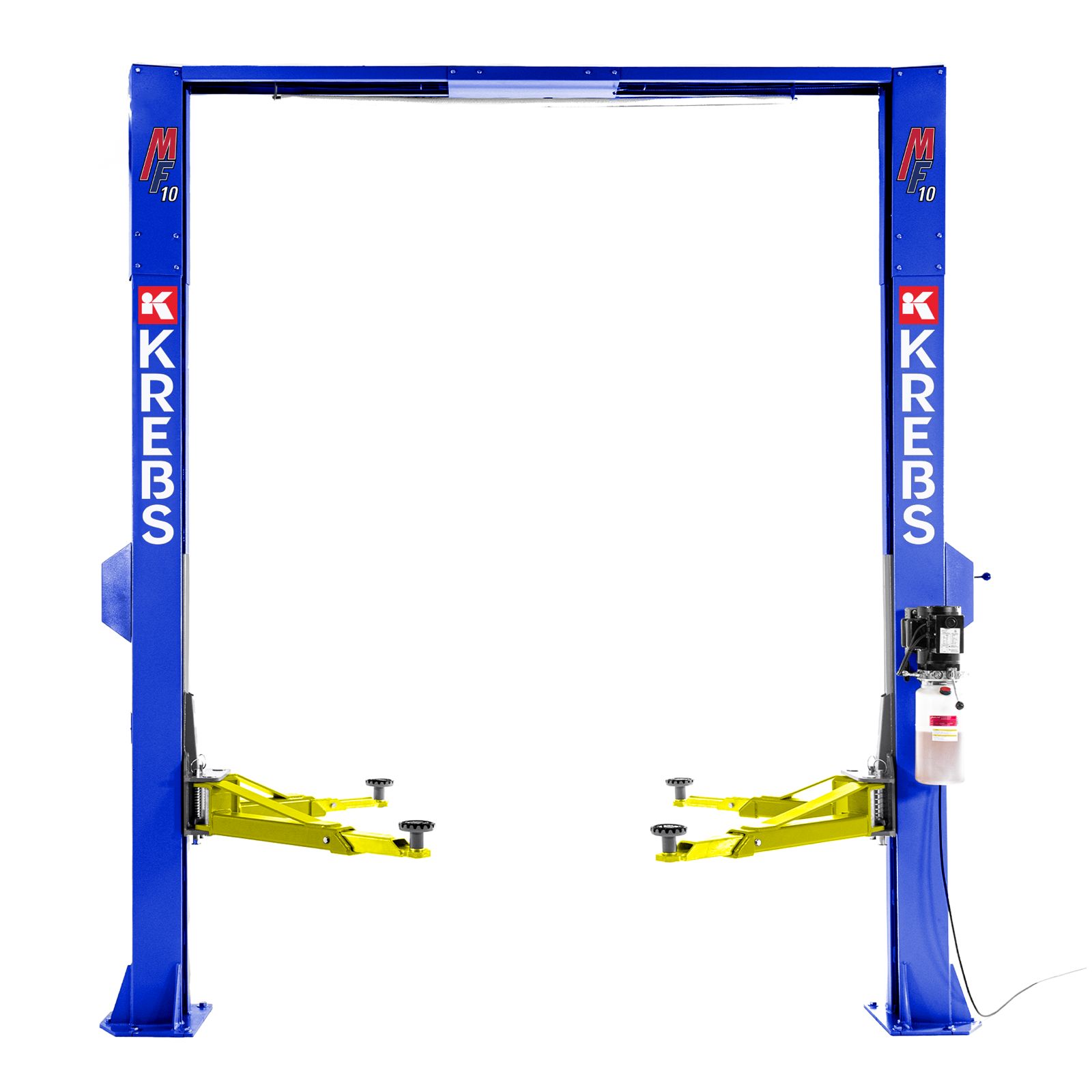
Different Vehicle Categories Create Different Lift Requirements
Passenger Vehicles
Shops focused on cars and smaller passenger vehicles may prioritize flexible arm reach, efficient bay use, and access for common repair work.
SUVs & Light Trucks
Taller and heavier vehicles may require additional capacity, overhead clearance, appropriate adapters, and different lifting geometry.
Heavy-Duty Vehicles
Commercial trucks and heavier fleet vehicles may require equipment specifically designed for their weight, dimensions, axle configuration, and service application.
Do Not Choose Lift Capacity by Guessing
A shop should not select equipment based on statements such as "most of our vehicles are about this heavy" or "this lift should be big enough."
Start with actual vehicle information, then compare those vehicles against the manufacturer's rated capacity, loading limitations, dimensions, arm or runway configuration, adapters, installation requirements, and intended use.
This is particularly important when the shop handles several different vehicle classes.
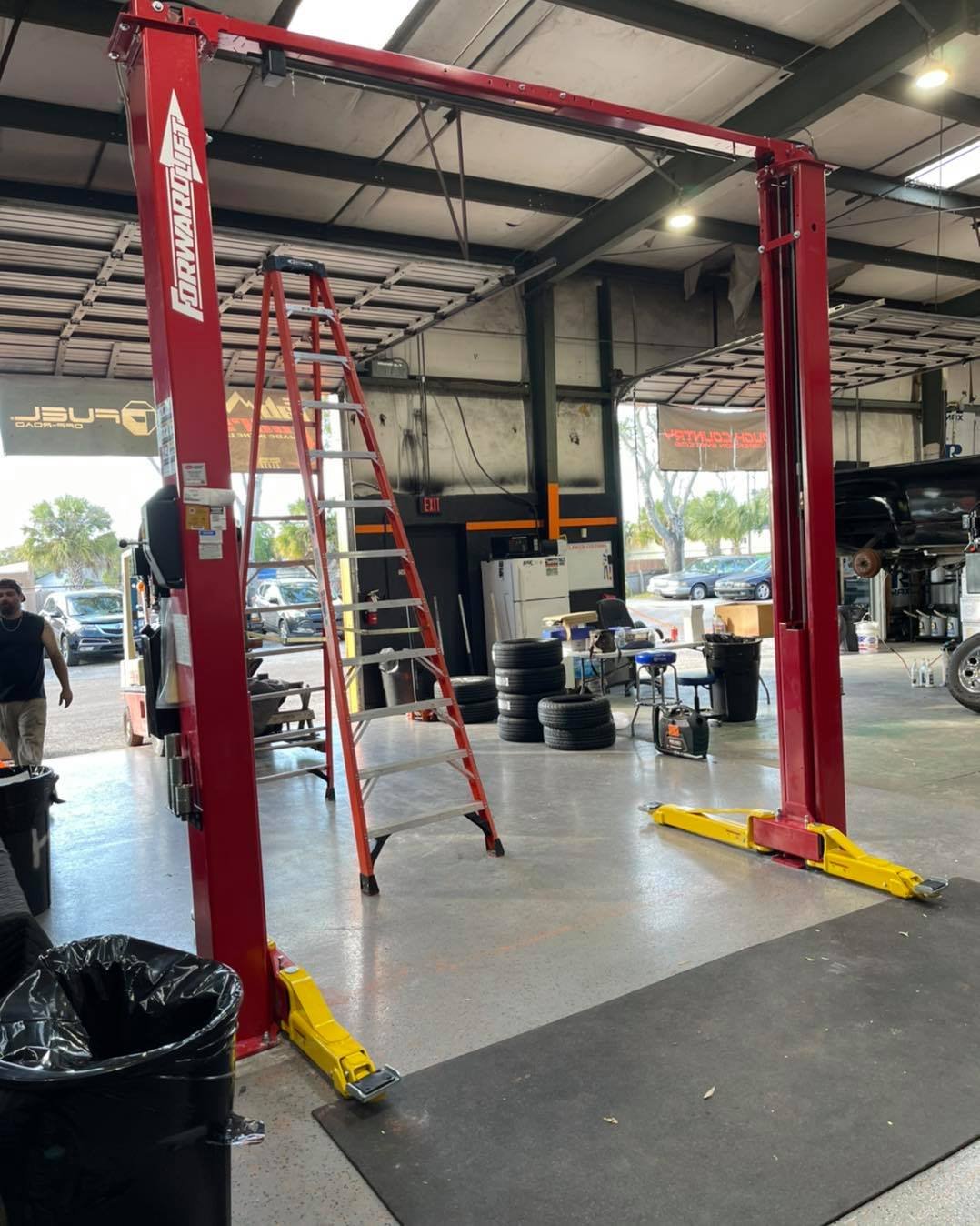
Capacity Must Be Considered Together With Lift Type
Two lifts with similar rated capacities can serve very different purposes depending on their design.
Two-Post Lifts
Vehicle positioning, arm reach, lifting-point access, vehicle balance, and manufacturer loading limits are critical considerations.
Runway Lifts
Vehicle wheelbase, track width, runway dimensions, axle loading, and service application influence compatibility.
In-Ground Lifts
Vehicle class, lifting configuration, below-floor installation, adapters, shop layout, and service requirements should be evaluated together.
Heavy-Duty Systems
Larger commercial vehicles may require specialized lift designs suited to their weight, dimensions, axle configuration, and intended service work.
Should You Buy More Lift Capacity Than You Need Today?
Some additional capacity can make sense when a shop has a realistic plan to service heavier vehicles, but capacity should not be increased without considering the consequences for the facility and workflow.
Higher-capacity equipment may have different dimensions, foundations, electrical needs, overhead requirements, vehicle access considerations, and costs.
The goal is not to buy the largest lift available. It is to choose equipment that safely and efficiently covers the vehicle range the business expects to service.
Information to Gather Before Choosing Lift Capacity
Gathering accurate vehicle and facility information makes it much easier to compare lift options intelligently.
Heaviest Vehicles
Identify the heaviest vehicles that regularly enter the shop, including work equipment and modifications.
Vehicle Dimensions
Record wheelbase, width, height, ground clearance, and other dimensions that may affect lift compatibility.
Vehicle Types
Consider passenger cars, pickups, vans, SUVs, work trucks, fleet units, commercial vehicles, and specialty applications.
Lifting Points
Confirm that the proposed lift and compatible adapters can reach the designated lifting locations.
Service-Bay Dimensions
Measure floor space, ceiling clearance, vehicle approach, doors, walls, and surrounding equipment.
Future Vehicle Mix
Consider realistic plans for fleet accounts, heavier vehicles, new services, or commercial work before finalizing the equipment.
A Higher-Capacity Lift Can Change the Installation Requirements
Lift selection and installation planning should happen together. Equipment size, configuration, foundation requirements, ceiling clearance, electrical service, and vehicle approach can change as the application changes.
The manufacturer’s installation instructions for the exact lift model should guide site preparation rather than assumptions based on another lift in the shop.
Evaluating the site before equipment is purchased can help prevent choosing a lift that is appropriate for the vehicle but not the building.
Mistakes to Avoid When Choosing Automotive Lift Capacity
Looking Only at Total Weight
Vehicle geometry, weight distribution, lifting points, and lift configuration matter in addition to total vehicle weight.
Ignoring Modified Vehicles
Work bodies, equipment, accessories, and modifications can change weight and lifting conditions substantially.
Buying for One Vehicle
A commercial shop should evaluate the realistic range of vehicles it expects to service rather than choosing around one example.
Forgetting the Building
A lift can be appropriate for the vehicle but unsuitable for the available floor, ceiling, approach, or bay dimensions.
Assuming More Is Always Better
Oversizing equipment can introduce unnecessary space, installation, and workflow requirements.
Skipping Manufacturer Guidance
Capacity and compatibility decisions should always be checked against the specifications and instructions for the exact lift.
Automotive and Heavy-Duty Lift Solutions in Central Florida
Stickney Equipment is based in Dover, Florida, and works with automotive repair shops, fleet facilities, garages, and other qualifying operations throughout Greater Lakeland, Tampa Bay, and surrounding Central Florida communities.
Automotive Lift Capacity FAQs
How do I know what automotive lift capacity my shop needs?
Start by identifying the heaviest and most demanding vehicles your shop services. Then compare vehicle weight, weight distribution, dimensions, lifting points, wheelbase, adapters, and intended work with the lift manufacturer's specifications and approved application.
Is a vehicle safe to lift as long as it weighs less than the lift capacity?
Not necessarily. Total rated capacity is only one requirement. Vehicle weight distribution, lifting points, dimensions, adapters, lift configuration, and manufacturer loading limits must also be appropriate.
Does vehicle weight distribution matter on an automotive lift?
Yes. Vehicles can place different loads on the front and rear of the lift, particularly when they have heavy engines, service bodies, mounted equipment, batteries, tools, or other modifications.
Should I buy a higher-capacity lift for future vehicles?
Additional capacity may make sense when the shop has realistic plans to service heavier vehicles. However, larger equipment may also change space, foundation, electrical, access, and installation requirements, so those factors should be evaluated together.
Can the same lift handle cars, SUVs, and trucks?
Some lift configurations can accommodate a broad range of vehicles, but compatibility depends on the exact lift, capacity, arm or runway dimensions, lifting points, adapters, weight distribution, and vehicle dimensions.
Do heavy-duty trucks need a different type of lift?
Heavier commercial vehicles may require lift equipment specifically designed for their weight, dimensions, axle configuration, and service application rather than equipment intended primarily for passenger vehicles.
Should lift capacity be selected before the installation site is evaluated?
It is better to evaluate the vehicles, lift, floor, foundation, ceiling clearance, utilities, bay dimensions, vehicle approach, and manufacturer requirements together before choosing the final equipment.
Match the Lift to Your Vehicles, Shop, and Workload
Contact Stickney Equipment to discuss automotive lift capacity, vehicle types, heavy-duty applications, shop layout, installation, and equipment options for your Central Florida facility.